If you are thinking about living near Grand Park, you are probably wondering what daily life really feels like once the tournaments, traffic, and headlines fade into the background. That is a smart question, especially if you want a home that supports your routine and not just your weekends. The good news is that the area offers more than a sports complex, with parks, trails, housing options, and city amenities that shape everyday life in a practical way. Let’s take a closer look.
Grand Park Shapes Daily Life
Grand Park is not a small neighborhood amenity. It is a 400-plus acre campus with 31 multi-purpose fields, 26 diamonds, and a 377,000-square-foot events center, and it also hosts major attractions like Colts training camp. Westfield describes it as a major youth sports destination, and that scale affects how the surrounding area feels.
In real life, that means the area around Grand Park functions more like a sports-centered district than a single site you visit once in a while. You are living near a place built to welcome large numbers of athletes, families, and fans. For some households, that energy is a major draw. For others, it is something to plan around.
Weekdays Feel Different From Tournament Weekends
One of the biggest lifestyle questions is traffic. Grand Park is easy to reach from US-31 and I-465, and the campus sits near key roads like 191st Street, 186th Street, Spring Mill Road, Wheeler Road, and Grand Park Boulevard. Parking on campus is free, which helps visitors once they arrive.
The bigger issue tends to be the roads leading in. Westfield is widening 191st Street, adding a roundabout and Monon pedestrian bridge, and planning a traffic signal at Grand Park Boulevard and Tournament Trail. Those projects show that event traffic is a real consideration in this part of town.
On a typical weekday, you may notice a normal suburban rhythm with steady local movement. On tournament weekends or during large events, the busiest pressure is more likely on the approach roads and parking entrances near the campus. If you live nearby, that usually means being aware of timing and route choices rather than expecting constant disruption throughout surrounding residential areas.
The Area Is Built for Active Families
If your household likes to be out and about, this part of Westfield has clear appeal. The city highlights 11 parks and more than 100 miles of multi-use trails, including the Monon Trail and Midland Trace Trail. That gives you options that go well beyond organized sports.
This matters because family life near Grand Park is not only about games and tournaments. It is also about having places to walk, bike, spend time outdoors, and connect different parts of the city. Westfield also points to amenities like the public library, hospital access, and Westfield Washington Schools as part of the broader community framework.
Walkability Has Limits
The Grand Park District is being planned with walkability in mind. The master plan emphasizes internal pathways and easier movement within the district, which should make the area feel more connected over time. That is especially useful in a place designed for large events and multiple activity zones.
Still, most daily errands in Westfield will likely involve driving. So if you are picturing a fully urban, car-free lifestyle, that is probably not the best fit. A better expectation is a suburban setting with improving trail and path connections, plus pockets of mixed-use development near the campus.
Housing Near Grand Park Is Evolving
One of the most important things to know is that the housing mix near Grand Park is changing. The master plan identifies nearby residential components like Townes at Grand Park Village and Harbor at Grand Park Village, and it also shows single-family development west of the campus. Residential use is already part of the planning framework in this area.
The future vision also includes apartment and condo buildings, mid-rise multi-unit housing, and rows of townhomes or duplexes. That tells you the immediate area around Grand Park is moving toward a more mixed-use and varied housing pattern than older suburban pockets farther away. If you want choices in home style and maintenance level, that is a meaningful advantage.
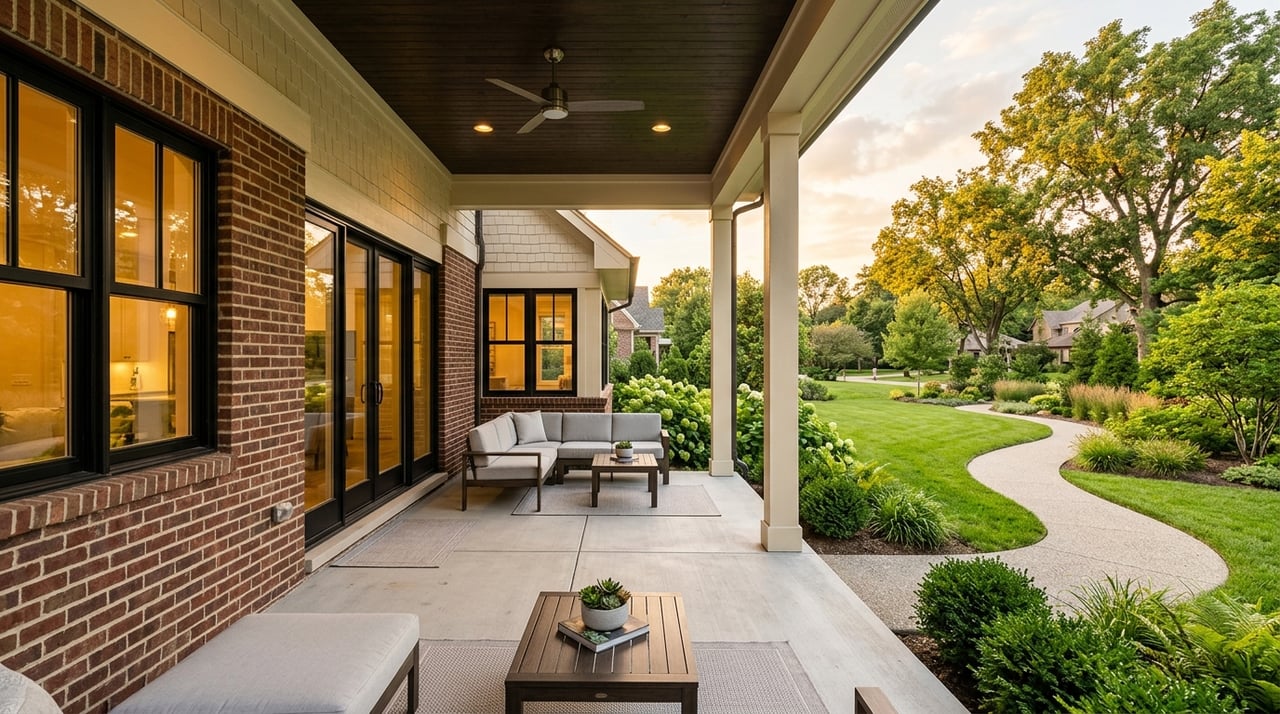
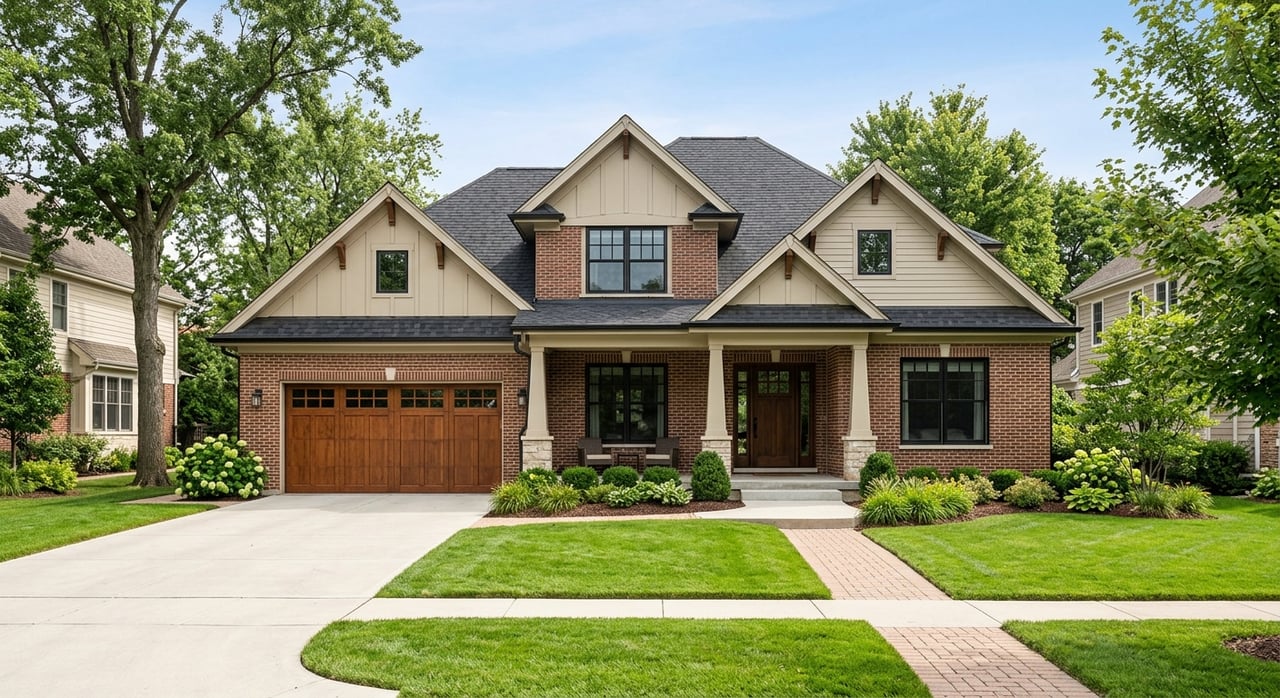
In practical terms, you may find that the broader area blends established neighborhoods, newer construction, and sports-oriented mixed-use development. That overlap can be appealing if you want newer infrastructure and ongoing growth, but it also means the area may feel less settled than long-established residential sections of Westfield.
What Family Routines Might Look Like
For many households, life near Grand Park comes down to convenience and flexibility. If your kids play sports, enjoy outdoor activities, or like having room to explore trails and parks, the area offers built-in options close to home. Even if your family is not involved in organized athletics, access to parks and trails can still support an active weekly routine.
You may also appreciate how the area connects to the larger Westfield community. The city fact sheet highlights parks, schools, trails, and other public amenities as part of the local draw. That broader infrastructure is often what turns a popular destination into a place where people actually want to live year-round.
Budget Expectations in Westfield
If Grand Park convenience is high on your list, it helps to start with realistic pricing expectations. Recent market snapshots show a March 2026 median sale price in Westfield of $497,000, while another source reported an average home value of $473,173 as of April 30, 2026. Those numbers use different methods, but together they give you a useful view of the local market.
For buyers, the takeaway is simple: expect Westfield-level pricing, with newer or more amenitized homes likely landing at the higher end of the local range. That is especially relevant in and around the Grand Park District, where planned housing options and ongoing development can influence pricing. If you are comparing neighborhoods, it helps to weigh not just square footage but also location, access, and long-term area growth.
What Sellers Should Know
If you own a home near Grand Park, the location story matters. Buyers are not only looking at the sports complex itself. They are also looking at trail access, parks, the wider Westfield amenity base, and the convenience of living in a fast-evolving part of the city.
That means your home may appeal to buyers who want newer surroundings, active living options, and quick access to one of Westfield’s best-known destinations. When you position a property in this area, it helps to focus on everyday lifestyle benefits, not just event-day excitement. Clear marketing and local context can make a big difference in how buyers understand the value of the location.
Growth Is Still Ongoing
The Grand Park area is not standing still. In March 2026, the city selected a developer for a planned ice hockey facility in the district and said the project would include the first city-funded parking garage at Grand Park. That signals continued investment and a year-round vision for the area.
For residents, ongoing development can be a positive if you value momentum and expanding amenities. It also means the district will likely keep changing over time. If you are buying nearby, it is worth thinking about whether you prefer an area with an established feel or one that is still actively taking shape.
Is Living Near Grand Park Right for You?
Living near Grand Park can be a great fit if you want access to parks, trails, youth sports energy, and a part of Westfield that continues to grow. It can also work well if you like newer housing options or want to be close to a district that is becoming more mixed-use over time. The tradeoff is that big events can affect traffic patterns, and most daily errands will still be car-based.
The key is to match the area to your routine. If your family values activity, convenience, and being near one of Westfield’s central gathering places, Grand Park may feel like a strong fit. If you want a quieter, more established pocket with less event influence, you may want to compare it with other parts of Westfield before making a move.
If you are weighing neighborhoods in Westfield or thinking about buying or selling near Grand Park, Midtown Home Collective can help you sort through the tradeoffs with local insight and a clear plan.
FAQs
What is family life near Grand Park in Westfield really like?
- Family life near Grand Park often centers on access to sports, trails, parks, and city amenities, with a more event-driven feel near the campus and a more typical suburban rhythm on regular weekdays.
Does Grand Park traffic affect nearby neighborhoods in Westfield?
- Yes, especially during tournaments and major events, but the main friction is typically on roads leading into the campus and at parking entrances rather than deep inside surrounding residential areas.
What types of homes are near Grand Park in Westfield?
- The area includes and plans for a mix of single-family homes, townhomes, duplexes, apartments, and condos, reflecting a more varied housing pattern than some older suburban areas.
Is the Grand Park area walkable for Westfield residents?
- The district is being designed with walkability in mind, but most off-campus errands in Westfield will still likely require a car.
How much do homes in Westfield cost near Grand Park?
- Recent market snapshots for Westfield showed a median sale price of $497,000 and an average home value of $473,173, with newer or more amenitized homes often trending toward the higher end of the local range.
Why do buyers look at homes near Grand Park in Westfield?
- Many buyers are drawn to the combination of Grand Park, Westfield’s parks and trails, public amenities, and the area’s ongoing growth and newer housing opportunities.