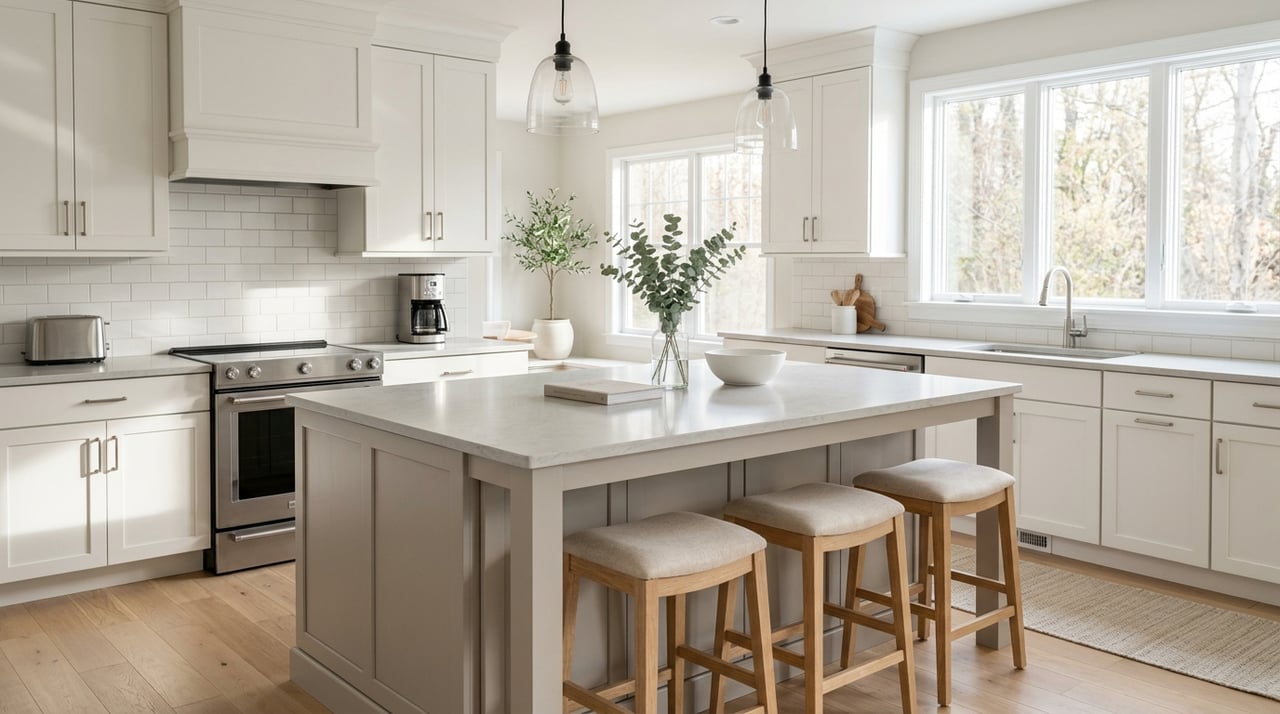
If you are selling your current home and planning your next one in Carmel, your biggest opportunity is also your biggest risk: momentum. In a market where well-positioned homes can move quickly, the wrong price or an unfinished launch can cost you time, leverage, and buyer attention. The good news is that with the right prep, pricing, and timing plan, you can protect your equity and make your move-up sale feel far more predictable. Let’s dive in.
Why Carmel move-up sellers need precision
Carmel remains a premium market, but that does not mean every listing can coast. Over the three months ending April 2026, Redfin reported a median sale price of $549,716 in Carmel, with homes receiving about three offers on average and going pending in around 18 days. Zillow showed an average home value of $570,592 and about seven days to pending as of April 30, 2026.
At the county level, Indiana REALTORS® reported a March 2026 median sale price of $445,000 in Hamilton County, 11 median days on market, 1.4 months of inventory, and a 97.3% sale-to-list price ratio. Those numbers tell a clear story: supply is still limited, and buyers are active. But they also show why broad averages are only the starting point for pricing a Carmel move-up home.
Carmel also leans higher in price than the county overall. The city’s housing commission report estimated a strong concentration of inventory at the upper end, with 46.2% of inventory above $600,000 and just 7.1% below $300,000. For move-up sellers, that means you are often competing in a price band where buyers have choices and compare homes closely.
Build price from the micro-market
The most important pricing decision is not whether the market is strong. It is whether your home is positioned correctly against the homes a buyer will compare it to right now. In Carmel, that means using recent sold homes in your immediate micro-market and adjusting for lot, updates, condition, and neighborhood context.
That local detail matters because submarkets inside Carmel can vary sharply. Indiana REALTORS®’ March 2026 dashboard for ZIP code 46033 showed a median sale price of $616,450 and just 0.9 months of inventory. A citywide or countywide average can help frame the market, but it is too broad to price a premium single-family home with confidence.
For move-up sellers in the $500,000 to $1.1M range and above, buyers tend to notice the details fast. If your kitchen, lot, floor plan, or finish level differs from nearby sales, those differences should shape the list price from day one. A precise pricing strategy is not about guessing high and seeing what happens. It is about entering the market with a number that feels credible the moment buyers see it.
Why overpricing costs more than you think
Many sellers worry more about leaving money on the table than losing time. In practice, those two risks are often connected. Indiana REALTORS®’ 2026 pricing analysis found that homes listed within 1% of their eventual sale price had a 50% chance of going under contract within 1 to 14 days.
When homes were priced 3% to 5% above their eventual sale price, the timeline stretched to 9 to 52 days. When they were priced 9% to 11% above the eventual sale price, that stretched to 19 to 87 days. Sellers who had to reduce price typically spent a median of 23 days at the original price, then another 12 days after the reduction.
That is the real cost of overpricing in Carmel. You do not just risk a later correction. You risk losing the strongest early attention your home will ever get online, which can weaken urgency and negotiating power.
Prep is part of pricing
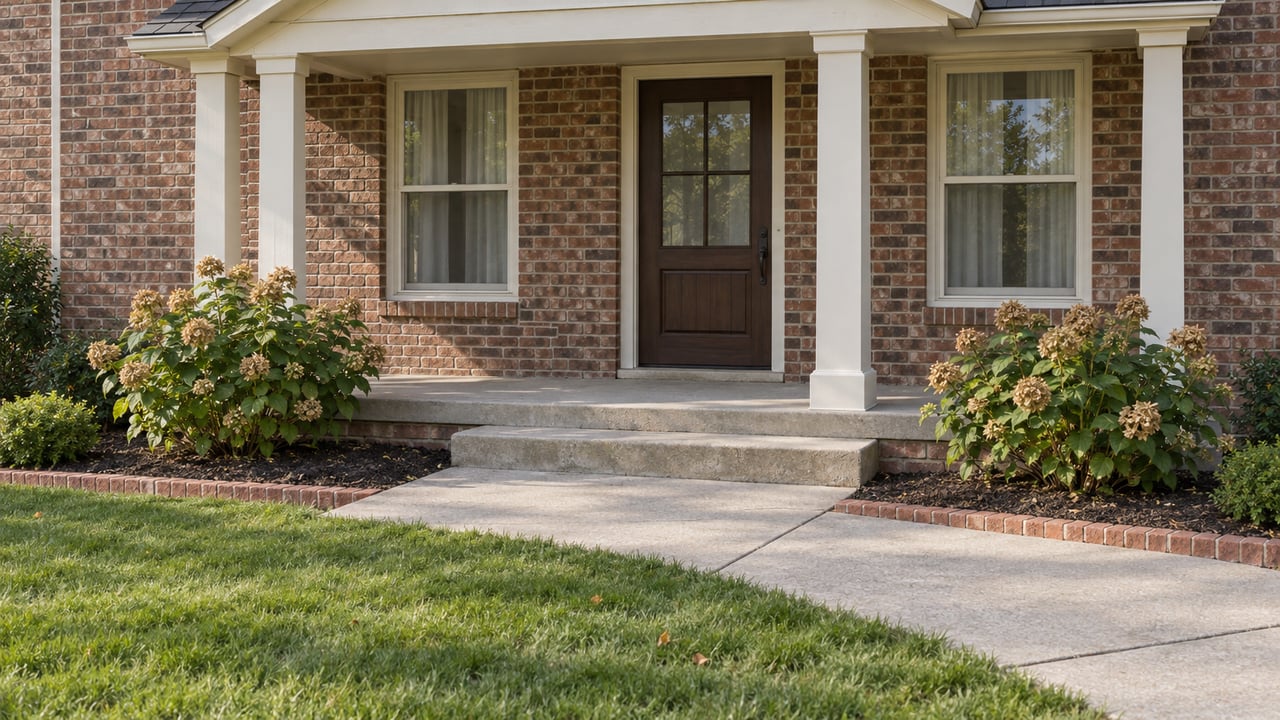
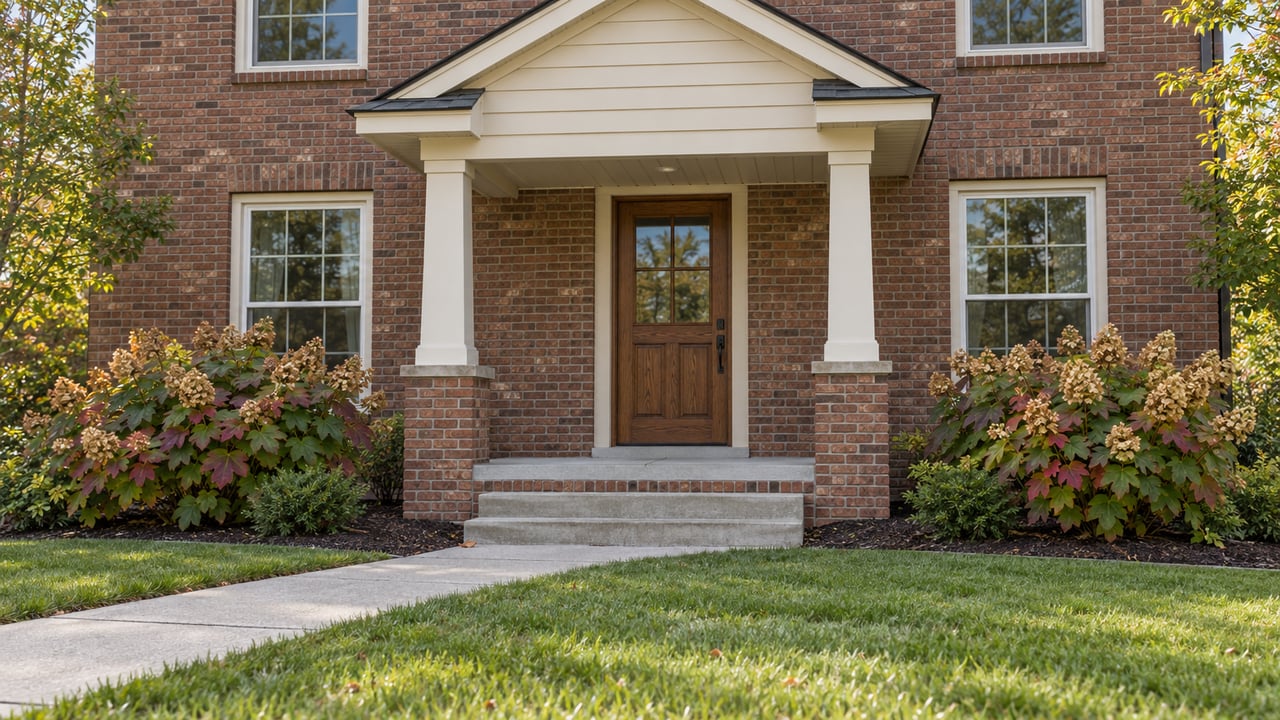
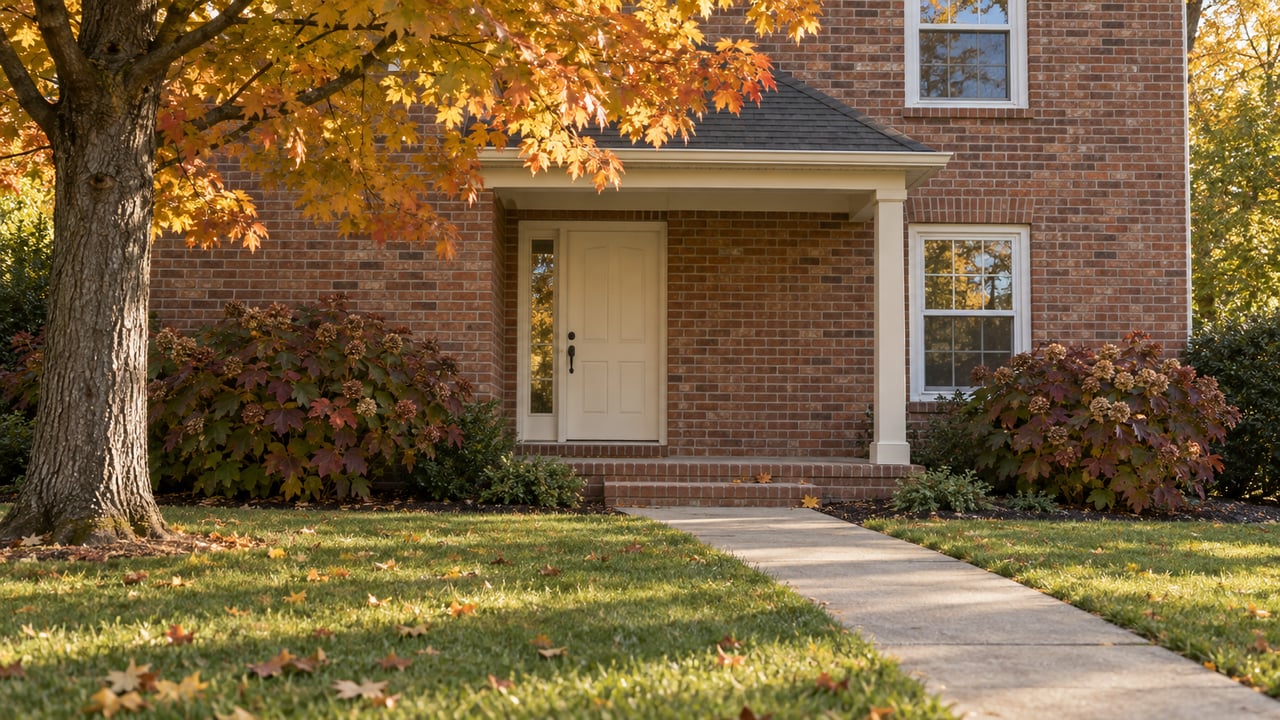
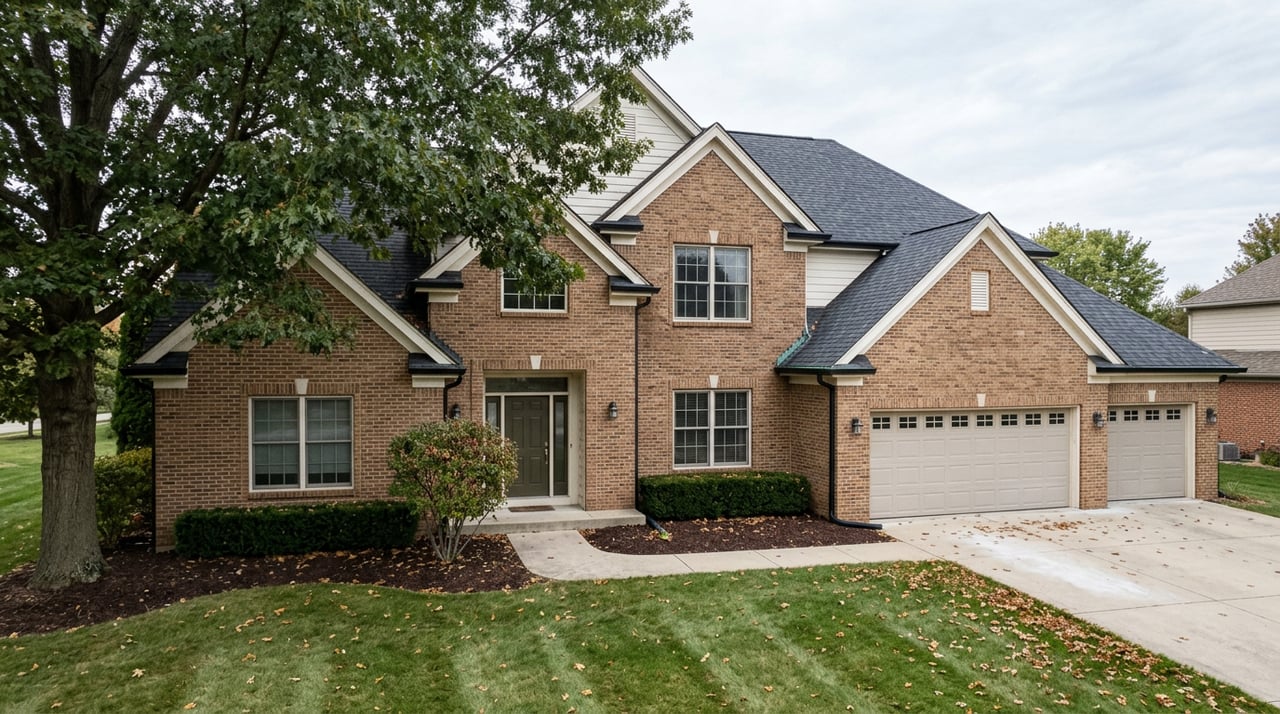
In a competitive Carmel segment, condition and presentation support the price you want buyers to accept. If your list price says premium, your home has to feel premium the moment it hits the market. That starts with visible, practical prep rather than random upgrades.
According to the 2025 staging profile from NAR, the most common seller recommendations were decluttering, cleaning the entire home, and improving curb appeal. Those steps sound simple, but they directly affect how buyers read value. Clean, bright, uncluttered homes tend to feel more cared for, more spacious, and more move-in ready.
Staging can also help. NAR found that 83% of buyers’ agents said staging made it easier for buyers to visualize the property as a future home, and 49% of sellers’ agents said staging reduced time on market. In addition, 29% of buyers’ agents said staging led to a 1% to 10% increase in the dollar value offered.
For many move-up sellers, that makes staging one of the more efficient pre-listing investments. NAR reported a median cost of $1,500 for a professional staging service. In a market where launch-day presentation matters, that can be a practical spend if it sharpens first impressions.
Focus your prep budget where buyers notice
If you are deciding where to spend limited dollars before listing, aim for improvements that are visible, useful, and easy for buyers to understand. Fresh paint, clean surfaces, simple lighting updates, polished landscaping, and repaired deferred maintenance usually do more than highly personalized projects. The goal is to remove friction, not create a brand-new house.
Energy-efficient features may also help your position in the market. NAR research found that 58% of agents said highlighting energy-efficient features can add value, and 37% said windows, doors, and siding were the most important green features. If your home has updates that may help lower operating costs, those should be part of the listing story.
Accessibility and convenience also matter to buyers comparing locations and daily routines. NAR reported that 72% of agents rated commute times as important. For a Carmel move-up listing, that supports emphasizing practical livability alongside finish quality and visual appeal.
Your online launch matters most early
The first days on the market carry outsized weight, especially in an area where homes can move in roughly 7 to 18 days depending on the data source. That means your listing should be fully ready before it goes live. You want the photos, room sequence, pricing, and property description working together from the start.
NAR says 81% of buyers rated listing photos as the most useful feature in their online search. Buyers’ agents also rated photos, physical staging, videos, and virtual tours as highly important. For you as a seller, that means photography is not a final step. It is a core part of your pricing and marketing strategy.
A polished launch creates a stronger first impression and helps buyers understand the value quickly. If your home is still being cleaned up after it appears online, you may lose the strongest wave of buyer attention before the home is truly ready. In Carmel, that can be hard to recover.
Plan your move-up timing early
Many move-up sellers are using built-up equity to fund the next purchase. NAR reported that the typical seller has owned their home for 11 years, and 54% of repeat buyers used proceeds from a previous home sale to help finance their next one. That makes timing more than a calendar issue. It is a financial strategy.
Before listing, it helps to decide which path fits your goals:
- Buy after your current home sells
- Buy before selling, if your finances allow
- Coordinate both transactions on a tight timeline
The right approach depends on your comfort level, available equity, and how much flexibility you need between closings. In a faster market, a clear plan helps you make better decisions when your home goes under contract.
Do not leave disclosure until the last minute
Indiana sellers have required disclosure steps, and they should be handled early. For most one- to four-unit residential property sales, the Indiana residential disclosure form generally must be completed and provided before an offer is accepted. The form asks about issues such as lead paint, radon, mold, asbestos, and other hazardous conditions.
Indiana also requires the Sales Disclosure Form to accompany the conveyance document, and the county assessor must review it for completeness. The county auditor may not accept the conveyance if the form is missing or incomplete. If your home was built before 1978, federal lead-based paint disclosure requirements also apply.
Getting these items organized before the listing goes live can reduce stress later. It also helps your sale stay on track once you have a serious buyer in place.
A simple Carmel seller game plan
If you want the strongest outcome on your move-up sale, keep the process focused and disciplined. In Carmel, the best results usually come from doing a few key things well, not from chasing every possible tactic.
Here is the playbook:
- Price from recent micro-market comps, not broad averages.
- Adjust for your home’s condition, lot, updates, and competition.
- Declutter, deep clean, and improve curb appeal before photos.
- Use staging and strong visuals to support your asking price.
- Launch only when the home is truly market-ready.
- Coordinate your next-home plan before you hit the market.
- Complete required Indiana disclosures early.
Carmel is still a strong market, but buyers at the move-up level are selective. When your pricing is realistic, your presentation is polished, and your timing is coordinated, you put yourself in a far better position to sell with confidence.
If you are thinking about selling your current home and moving up in Carmel, Midtown Home Collective can help you create a clear plan for pricing, preparation, marketing, and next-step timing. Schedule a free consultation to talk through your home, your goals, and the smartest path forward.
FAQs
How should a Carmel seller price a move-up home?
- Start with recent sold homes in the same micro-market, then adjust for condition, lot, updates, and direct competition rather than relying only on Carmel or Hamilton County averages.
Why does overpricing matter in the Carmel market?
- Indiana REALTORS® data shows homes priced closer to their eventual sale price tend to go under contract faster, while overpriced homes often sit longer and may need a price reduction after losing early momentum.
What prep matters most for a Carmel move-up listing?
- Decluttering, whole-home cleaning, curb appeal improvements, and selective staging tend to have the biggest impact on buyer perception before launch.
How fast do homes move in Carmel, Indiana?
- Recent data suggests Carmel homes often go pending in about 7 to 18 days, depending on the source and time period used, which is why launch-day readiness matters.
What disclosures do Indiana home sellers need to complete?
- Indiana sellers of most one- to four-unit residential properties generally need to provide the residential disclosure form before an offer is accepted, and the Sales Disclosure Form must be complete for closing-related filing steps.
How can a Carmel seller coordinate a move-up purchase and sale?
- The best first step is deciding early whether you want to buy before selling, buy after selling, or align both transactions closely so your pricing and timing strategy support your next move.