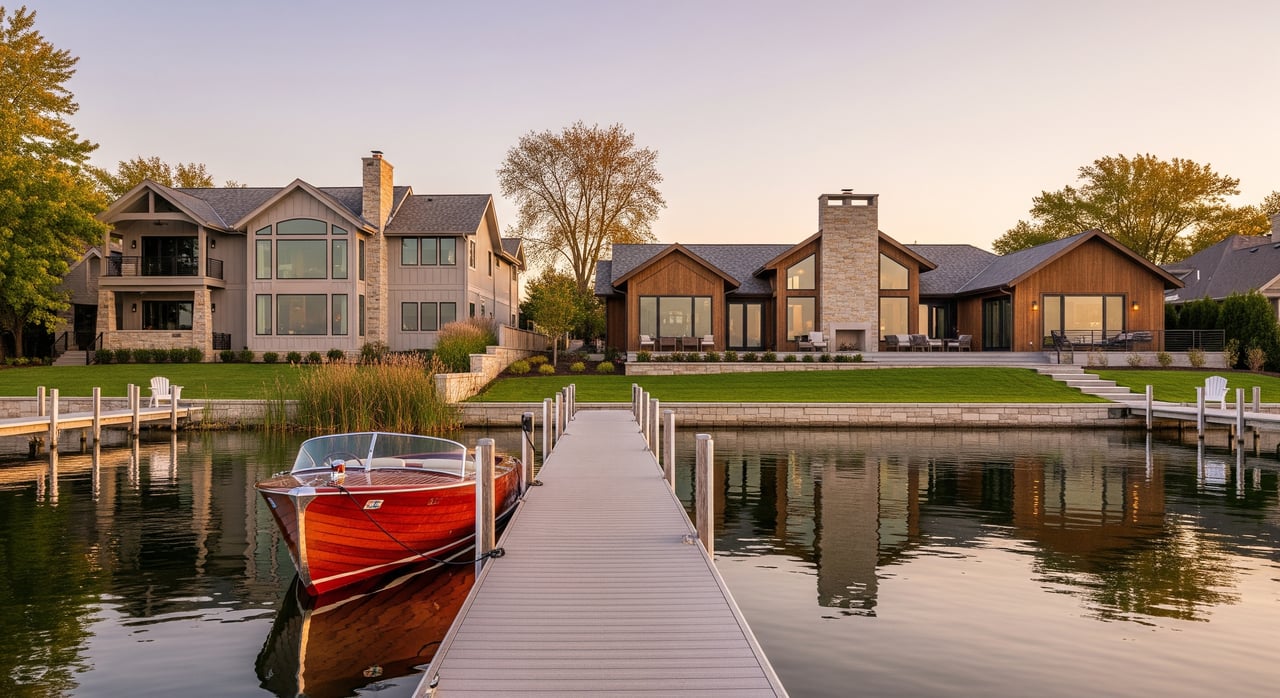
You are picturing sunrise coffee on Morse Reservoir, but one question keeps popping up: should you choose a ranch or a two-story home for lake living in Cicero? The right floor plan can make daily routines easier, increase your enjoyment of the water, and simplify long-term maintenance. In this guide, you will compare the tradeoffs that matter most for lake buyers, from views and storage to flood risk and winter care. Let’s dive in.
What matters for Cicero lake living
Cicero’s access to Morse Reservoir draws boaters, anglers, and anyone who loves being outdoors. Daily life often includes moving gear to and from the dock, caring for decks and shoreline, and planning for seasonal changes. Central Indiana winters bring ice and snow, and summers can be humid, so stairs, exterior maintenance, and HVAC comfort all play a role in your choice.
Lot type and orientation matter too. Smaller lake-adjacent lots with dock access favor efficient footprints, while larger inland lots may give you more space for garages or trailers. Topography, tree cover, and setbacks influence both sun exposure and view corridors.
Ranch living on Morse Reservoir
Daily flow and convenience
With a ranch, all main spaces live on one level. That makes it easier to move coolers, life jackets, and fishing gear from the garage to the dock without navigating stairs. Quick turnarounds are simpler, from grocery drops to laundry. The tradeoff is a wider footprint that can reduce yard area on smaller waterfront lots.
Accessibility and safety
Single-level layouts are friendly for multi-generational households and anyone planning to age in place. Features like a ground-floor primary suite, wider halls, and zero-step entries add long-term flexibility. For ideas, review the AARP guide to home features that support aging in place, which outlines practical upgrades and safe circulation for aging-in-place planning.
Views and orientation
A ranch can still capture great lake views with smart siting. Placing main living areas toward the water, raising the foundation slightly, or using clerestory windows can open up sightlines. Vegetation and neighboring homes often matter more than the number of floors, so evaluate the lot first.
Storage and utility
Lake living brings extra stuff. A ranch can make staging and cleanup easier since the garage, mudroom, and outdoor areas are all on the same level. That can be helpful for rinsing gear, changing after a boat ride, or loading the car for a day on the water.
Energy and comfort
Ranch homes typically have more roof and foundation exposure per square foot, which can influence heating and cooling needs. Good insulation, air sealing, and right-sized HVAC design can close the gap. The U.S. Department of Energy explains how envelope design and efficient systems impact comfort and costs in different home types in its Energy Saver guidance.
Maintenance and longevity
More roof surface often means higher replacement costs over time and more gutter work. The upside is that most exterior tasks, like window cleaning or siding touch-ups, are within easy reach from the ground. In winter, you will have fewer elevated areas and stairs to de-ice.
Two-story living near the lake
Daily flow and privacy
Two-story homes separate public spaces on the main level from bedrooms above. That can be great for overnight guests or busy households. A smaller footprint can also preserve more yard or lakeside space on compact lots. The tradeoff is more stair travel for quick trips to the dock or unloading gear.
Accessibility, stairs, and safety
Stairs add steps to every routine and can increase risk during icy weather. If you like a two-story but want long-term flexibility, look for a main-floor primary suite or plan for future mobility solutions. For general fall-prevention tips that apply to home routines and weather, review the CDC’s overview of risk factors and safety strategies for fall prevention basics.
Views and elevation
Upper-level windows can offer sweeping lake views. If views are your top priority, a two-story may deliver a premium experience, especially on lots with tree cover or where first-floor sightlines are partially blocked. Check orientation and neighboring structures to confirm what you will see in each season.
Storage within a smaller footprint
Two-story layouts can tuck mudrooms, pantries, and gear storage on the main floor, with bedrooms above. On tighter lots, this can help maintain a broader lawn or clear path to the dock. If you need extra storage for trailers or toys, confirm options for a detached garage or off-site storage.
Energy and comfort
Stacked spaces reduce exterior surface area per square foot, which can help efficiency, but multi-level ducting and temperature balance can be more complex. Zoning systems and thoughtful mechanical placement can improve comfort across floors. Discuss system design and long-term service access during inspections.
Maintenance realities
Exterior upkeep often requires ladders or pros for second-story windows and siding. Decks and balconies need regular care, and stairs require extra attention in icy weather. Budget for periodic professional maintenance to keep everything safe and in good condition.
Lake-specific rules and risks to check
Flood risk, elevation, and insurance
Before you fall in love with a property, verify the parcel’s flood status. Use the FEMA Flood Map Service Center to check flood zones. If a home sits in a special flood hazard area, your lender may require flood insurance. Elevation certificates and mitigation measures can affect premiums and renovation options.
Dock, shoreline, and boat storage
Confirm whether docks are permitted, what approvals are required, and any limits on size or placement. Shoreline protection rules, like riprap or vegetative buffers, can shape maintenance and how you use the water’s edge. For boating and shoreline guidance, the Indiana Department of Natural Resources is a helpful starting point for understanding statewide rules and permits.
Sewer, septic, and setbacks
Some lakeside homes connect to public sewer, while others rely on septic systems with required setbacks from the water. Septic location can affect where you can add a patio, expand a garage, or place a future addition. Ask for recent inspection reports and map the system components during due diligence.
Environmental and tree rules
Tree preservation and shoreline buffer standards can limit how much vegetation you remove for views. If you plan to build out a larger ranch footprint, verify setbacks, buffers, and any wetland designations before you commit to a design.
Budget, insurance, and carrying costs
Waterfront properties often carry higher insurance costs and assessed values, which can impact taxes. Factor in the ongoing maintenance differences between ranch and two-story homes, such as roof area, exterior access, and HVAC complexity. It is wise to gather homeowners and flood insurance quotes early so you can compare true monthly costs.
Which floor plan fits your lifestyle
Choose a ranch if you value single-level convenience, easy gear flow, and minimal exterior height for maintenance. This layout shines for aging in place or multi-generational living. Just confirm you have enough lot depth for the footprint, storage, and outdoor entertaining.
Choose a two-story if you want a smaller footprint with more yard or lakeside space, plus clearer separation between living and sleeping areas. You may gain better second-floor views, but plan for stair travel and periodic professional maintenance.
If views and direct water access are top priorities, let the lot guide your choice. A well-sited two-story can outperform on views, while a ranch with the right orientation still delivers great sightlines and an easy daily rhythm to the dock.
Buyer checklist for Cicero lake homes
Use this list to compare ranch and two-story options on specific properties:
- Flood and elevation: Confirm FEMA flood zone and look for an elevation certificate if available.
- Dock and shoreline rights: Verify dock permissions, approvals, and maintenance responsibilities.
- Utilities and septic: Confirm sewer versus septic, recent septic inspection, and setbacks.
- View lines and vegetation: Ask about tree removal limits, easements, and neighbor impacts.
- Garage and boat storage: Measure garage depth and check trailer parking rules or off-site storage.
- Accessibility and future needs: Look for zero-step entries or a main-floor primary suite.
- Mechanicals and basement: Note HVAC zones, equipment locations, and any sump pumps or moisture controls.
- Roof and exterior history: Check roof age, siding condition, and deck or balcony maintenance.
- Local permits: Review town and county rules for additions, docks, and shoreline improvements.
- Insurance quotes: Obtain homeowners and flood quotes before making an offer.
Your next step
You do not have to choose between convenience and views without context. A local advisor can walk you through how a specific Cicero lot, orientation, and footprint will perform across seasons. If you are ready to compare real homes around Morse Reservoir, connect with Midtown Home Collective to tour options, review flood maps, and build a plan that fits your lifestyle.
FAQs
What are the main differences between ranch and two-story homes for Morse Reservoir living?
- A ranch simplifies daily flow and exterior maintenance, while a two-story preserves yard space and can offer better elevated views but adds stair travel and some professional upkeep needs.
How do Indiana winters impact the choice between ranch and two-story homes?
- Snow and ice increase stair risks and exterior maintenance on multi-level decks, so a ranch reduces exposure while a two-story may require more de-icing and professional window or siding care.
Do I need flood insurance for a Cicero lake home near Morse Reservoir?
- It depends on your parcel’s FEMA flood zone; check the FEMA Flood Map Service Center and get quotes early, since lenders may require coverage in high-risk zones.
Which layout is better for aging in place around Cicero?
- A ranch with zero-step entries and a main-floor primary suite is typically easier; see the AARP aging-in-place guidance for helpful features and planning ideas in the AARP HomeFit guide.
Are docks guaranteed with every lake-adjacent property in Cicero?
- No, you must confirm dock permissions, size rules, and any approvals, and the Indiana Department of Natural Resources is a useful starting point for understanding applicable regulations.
Will a two-story always have better lake views than a ranch?
- Not always; lot orientation, tree cover, and neighboring structures often matter more than floor count, so evaluate sightlines from key rooms in every season.