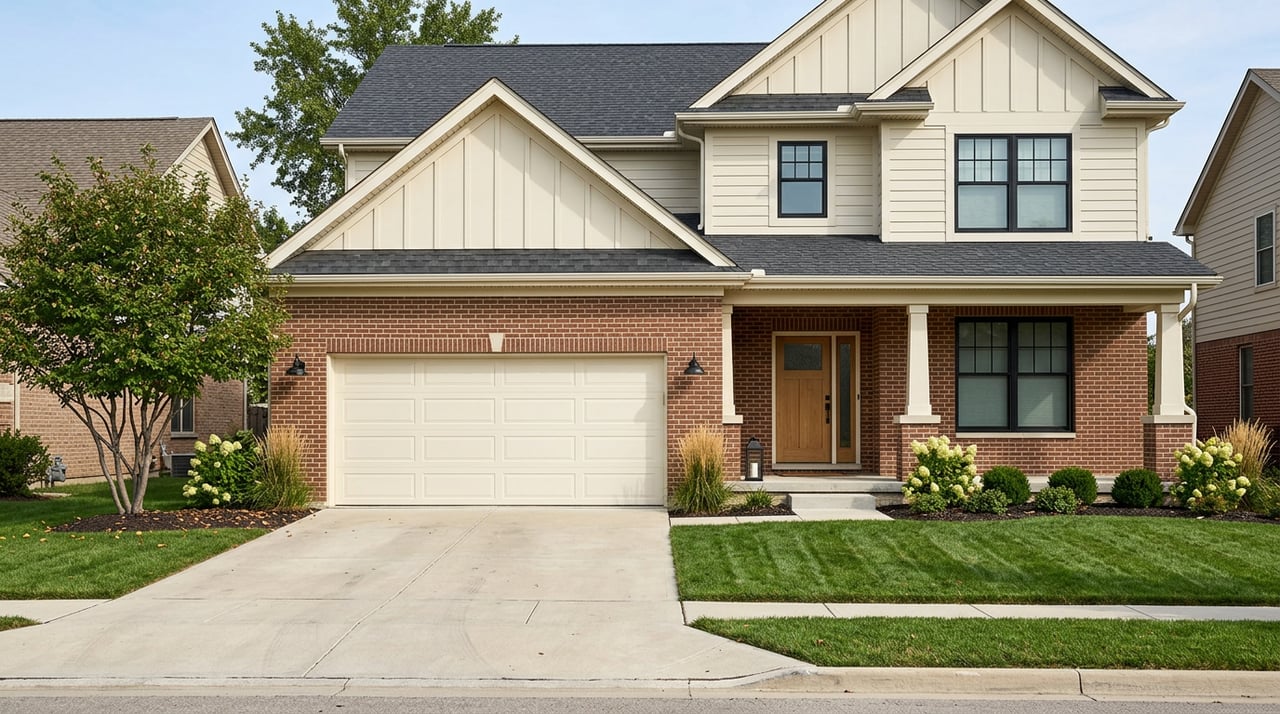
Thinking about building a home in Westfield, but not sure where to start? You are not alone. New construction offers fresh design, modern systems, and low-maintenance living, yet the steps can feel overwhelming. This guide walks you through a clear, local process so you can plan with confidence, compare builders, and avoid costly surprises. Let’s dive in.
Why build new in Westfield
Westfield continues to grow, with a 2024 population estimate of 62,994 and city-backed investment in amenities such as the 400+ acre Grand Park Sports Campus. You can review local facts directly on the city’s fact sheet to understand the scale of growth and community priorities. Proximity to U.S. 31 and State Road 32 makes daily life and regional access straightforward for many neighborhoods. Many builder community pages also cite a roughly 25 to 35 minute drive to downtown Indianapolis, depending on location and traffic.
- Learn more on the city’s fact sheet: Westfield population and amenities
- Explore a top local amenity: Grand Park Sports Campus
- See a commute example near Grand Park: Townes at Grand Park Village
Step 1: Budget and timing
Start with full pre-approval, not just pre-qualification. Builders often require proof of funds or a lender letter before they will reserve a lot or release a spec home. Many national builders offer affiliate mortgage resources; it can be helpful to compare those incentives with quotes from a local lender.
Decide how fast you need to move. A quick-move-in home can close sooner with limited customization. A to-be-built plan lets you choose a lot and finishes, but adds months to your timeline and may change total cost as you add options.
Step 2: Community and lot
Location drives lifestyle and resale potential. Focus on how a specific community fits your day-to-day routine and long-term plans.
- Growth corridors. Neighborhoods close to US‑31, SR‑32, and Grand Park are convenient and amenity-rich. Before you pick a lot, review zoning, planned uses, and community PUD documents to anticipate future development. You can start with the city’s Planning and Zoning resources.
- Schools. Most Westfield neighborhoods feed into Westfield Washington Schools. Always verify current school boundaries and transportation details directly with the district, since attendance areas can change. Visit Westfield Washington Schools.
- HOA rules and fees. New communities often include active HOAs with architectural guidelines and assessments. Ask for the covenants and projected fees up front and understand rules for exterior changes, fencing, and landscaping.
Local examples to explore:
- Drees Homes at Carramore, a master-planned setting with trails and ponds: Carramore community overview
- Townes at Grand Park Village by Fischer Homes, townhomes with low-maintenance living steps from Grand Park. (Check current offerings and timelines directly on the builder’s site.)
- Other active options often include Lennar’s Ravinia, Pulte and M/I Homes collections, and local builders in areas like Somerset West and Finley Creek. Inventory and incentives change quickly, so confirm details with builder sales offices.
Step 3: Compare builder offers
Not all “base prices” are equal. Create a side-by-side comparison for each community you like.
- Inclusions vs. upgrades. Ask for the written inclusions list and what comes standard in kitchens, baths, flooring, and exterior. Model homes usually show premium tiers, so note which features are upgrades.
- Deposits, changes, and cancellations. Clarify deposit amounts, when they become nonrefundable, and how change orders are approved and priced. Confirm who pays for any lender-required holdbacks.
- Warranties. Many builders provide a written builder warranty and may also enroll your home in a third-party structural program. The industry-common structure is 1 year for workmanship, 2 years for systems, and 10 years for qualifying structural items through a provider such as 2‑10 Home Buyers Warranty. Ask for the actual warranty booklet and claims process.
Step 4: Design and upgrades
Think in two buckets: structural and finish decisions.
- Structural choices, like a sunroom, extra windows, or a basement rough-in, are harder and costlier to change later. These are usually locked at contract or early design meetings.
- Finish selections, like countertops, lighting, and appliances, are easier to adjust but can still cause delays and cost increases if decided late. Get every selection and price in writing. Build a small contingency for upgrades so you can say yes to the few items that matter most.
A simple rule: invest in structure and layout first, then add finish upgrades that elevate daily use, such as primary bath tile, kitchen surfaces, and high-traffic flooring.
Step 5: Build timeline checkpoints
Most builder-delivered single-family homes follow a predictable sequence: permits, site work and foundation, framing, mechanical rough-ins, insulation and drywall, finishes, exterior and landscaping, final inspections, closing. A typical range from authorization to completion is about 7 to 9 months, though weather, supply timing, and customization can extend that. For a helpful overview of the build order, review this guide on what to expect when building a home.
Key milestones to calendar:
- Pre-drywall inspection when framing and rough-ins are visible.
- Mid-build update or design verification meeting.
- Final walkthrough and punch list a few days before closing.
- 11-month warranty inspection to capture items before the 1-year mark.
Step 6: Inspections you control
Even with municipal inspections and builder quality checks, hiring your own inspector is smart. Many buyers schedule phased inspections at pre-drywall, final, and the 11-month mark. Independent reports often surface items that are easy to correct when found early and provide documentation for warranty requests. For a quick primer on phased inspections, see this overview of inspections for new construction.
Tips for smooth inspections:
- Share your inspector’s schedule with the builder so site access is coordinated.
- Ask the inspector to label photos by room or system for easy follow-up.
- Track all punch-list items in writing with target dates.
Step 7: Appraisal, CO, and closing
New construction appraisals rely on recent comparable sales. In a fast-moving market, the appraiser may use builder price sheets or nearby subdivisions when exact comps are limited. If your home has unique upgrades, provide your agent and lender with documentation of similar homes and a breakdown of your selections.
Your builder is responsible for coordinated city inspections and a Certificate of Occupancy. Westfield’s Planning and Zoning resources explain permits, inspection flow, and development rules. If you are targeting a specific move-in date, ask the site team how they handle final inspections and any re-inspection timing. You can learn more about the city process here: Westfield Planning and Zoning.
Step 8: Taxes and records
Once you have a lot address or parcel number, pull the county report. Hamilton County’s portal lets you verify assessments, tax history, and recorded documents. This is a good place to check for any special assessments or stormwater fees during diligence. Start your search here: Hamilton County property reports.
New-build vs. resale trade-offs
New construction gives you a clean, modern layout, energy-efficient systems, and a builder warranty. You trade some maturity in landscaping and may pay a premium for the newest finishes. Resale homes can offer larger lots or established streetscapes, sometimes at a lower price per square foot, yet they may need updates and have unknown maintenance timelines.
In Westfield’s mid-to-high price band, the right choice comes down to location, school boundaries, and the specific product. Compare to-be-built pricing and quick-move-in options against recent resale comps nearby. If you are financing, build in time for appraisal questions and be ready with documentation.
Westfield lifestyle highlights
You will see communities marketing access to Grand Park, connections to regional trails, and convenient routes to US‑31 and SR‑32. Closer-in spots near downtown Westfield offer local dining and events, while golf and recreation options add seasonal appeal. If you plan to host tournaments, coach, or simply want reliable space for visiting family, proximity to larger amenities can simplify your routine.
Ready to tour new builds?
If you want a thoughtful plan, clear comparisons, and efficient checkpoints from contract to keys, we are here to help. Our team tracks active communities, quick-move-in inventory, and builder incentives, and we guide you through selections, inspections, and closing. Let’s align your budget, timing, and must-haves, then tour the right communities together. Connect with Midtown Home Collective to schedule a free consultation.
FAQs
How long does a new build in Westfield take?
- Most builder-delivered single-family homes finish in about 7 to 9 months from authorization, with timing adjusted for weather, supply, and customization.
Should I hire an inspector for new construction?
- Yes. Phased inspections at pre-drywall, final walkthrough, and an 11-month check provide independent quality control and documentation for warranty items.
What warranty should I expect on a new home?
- Many builders provide a builder warranty and may enroll your home in a 1/2/10 structure through a third-party provider; confirm coverage details and the claims steps in writing.
How do I verify school boundaries for a specific lot?
- Check directly with Westfield Washington Schools for current attendance zones, transportation, and program details before you sign a contract.
What local records should I review before closing?
- Pull the Hamilton County property report for your parcel to see assessments, tax history, and recorded documents, and ask about any HOA covenants and fees.