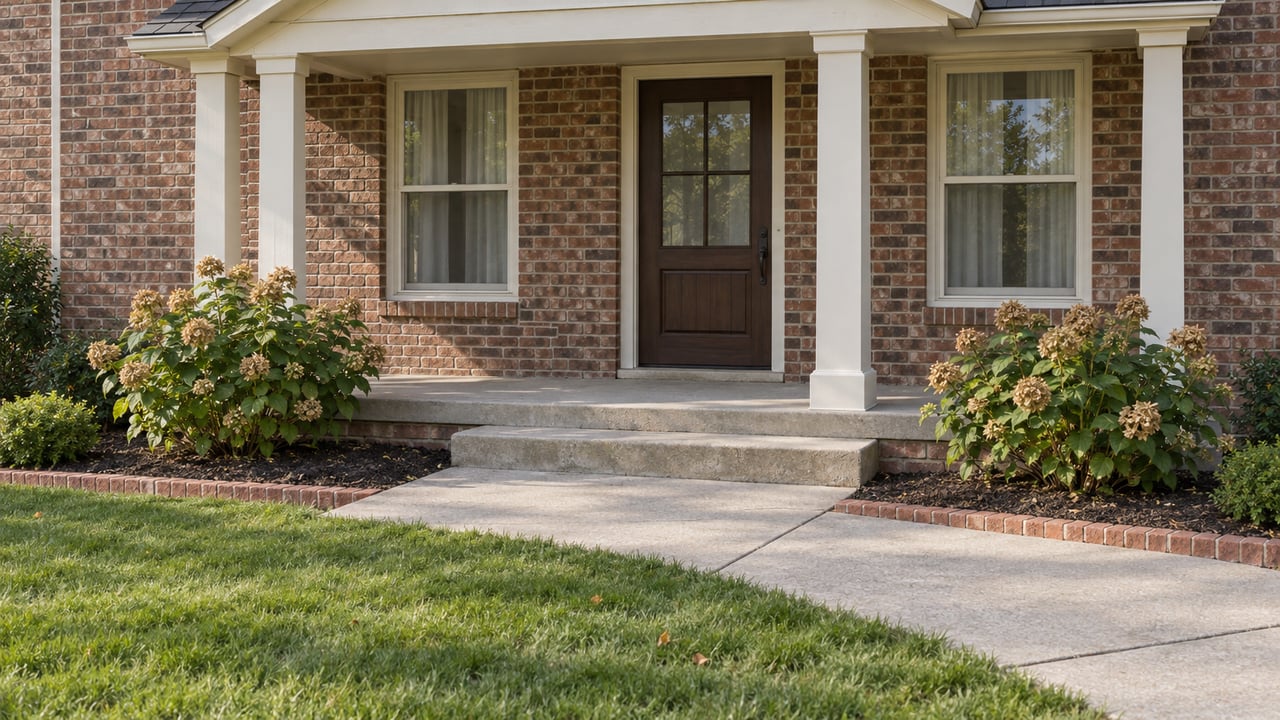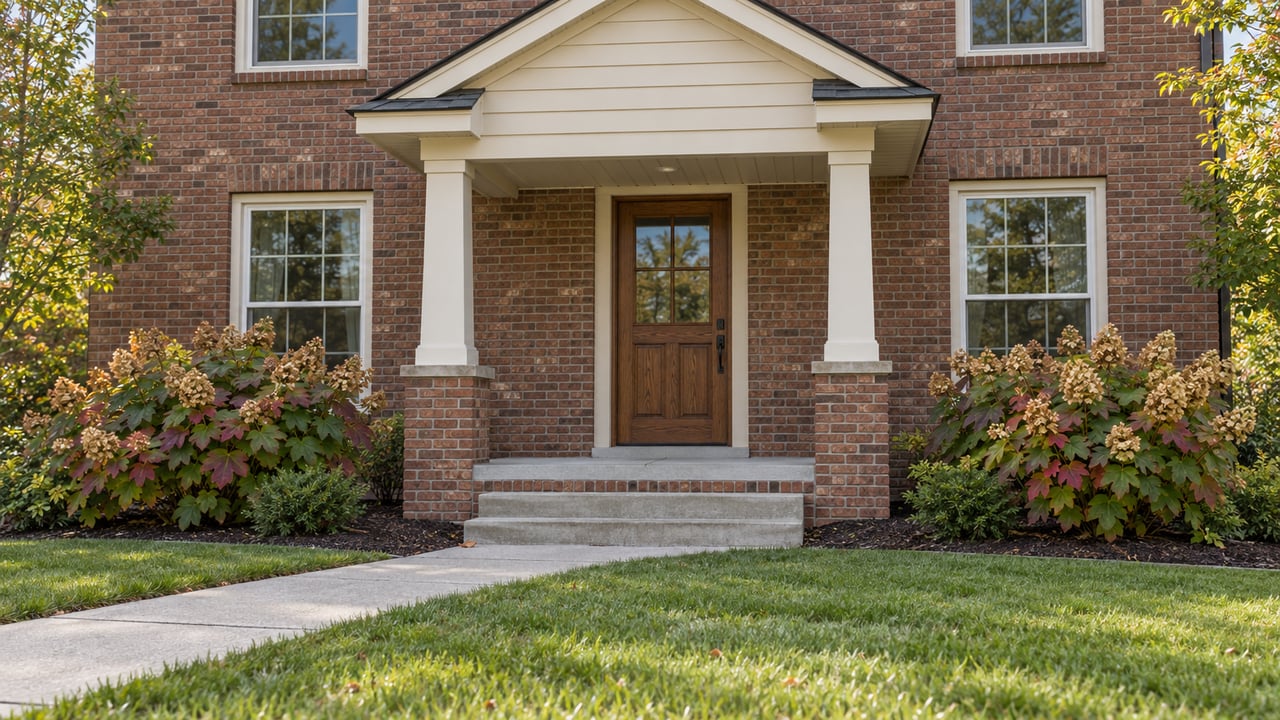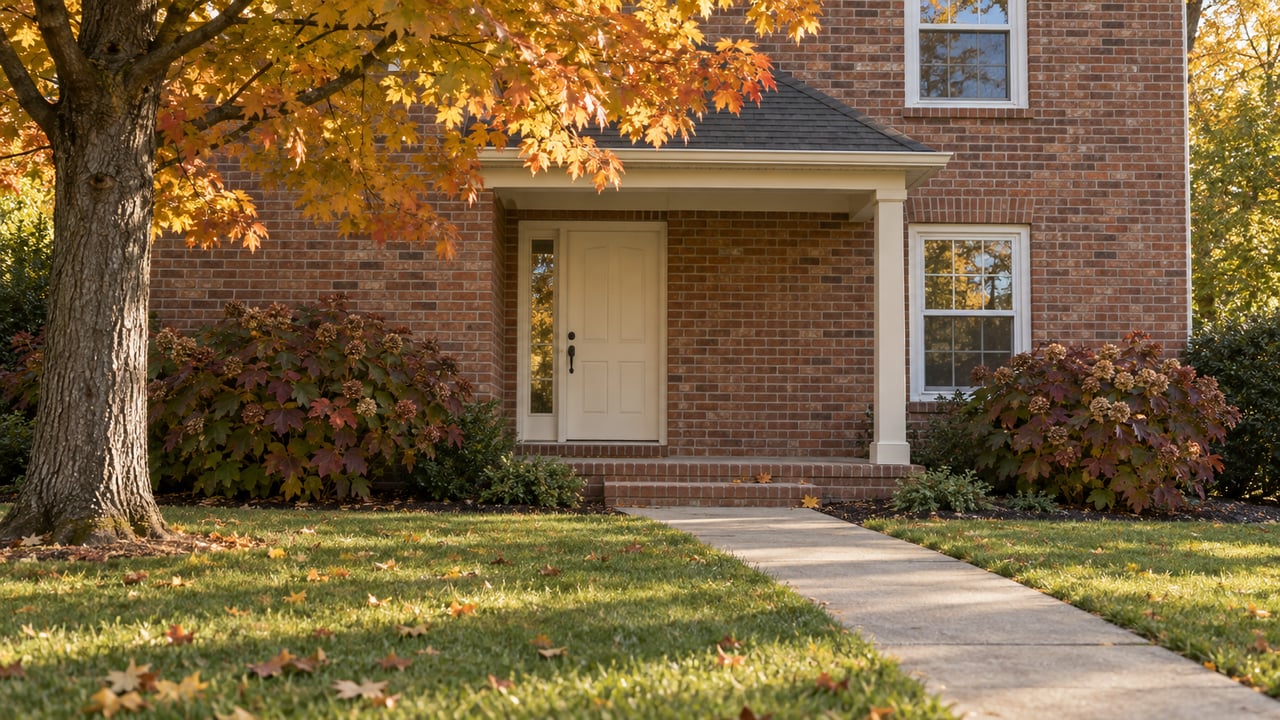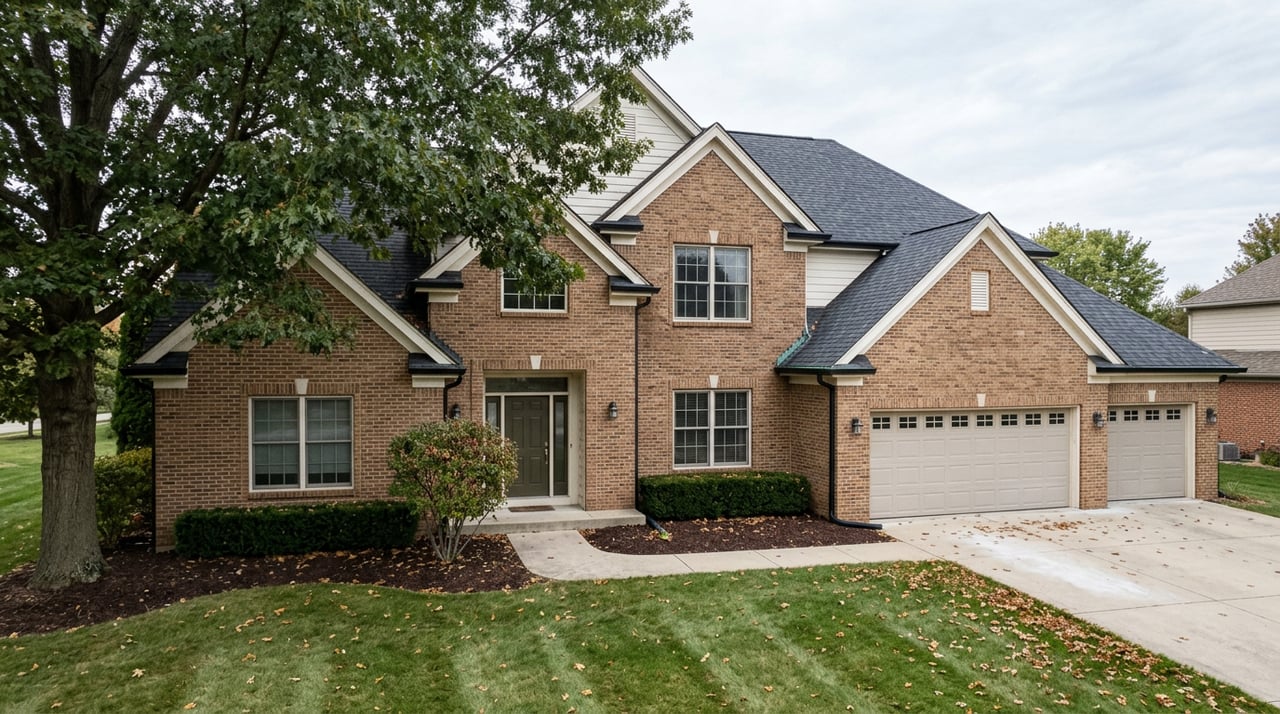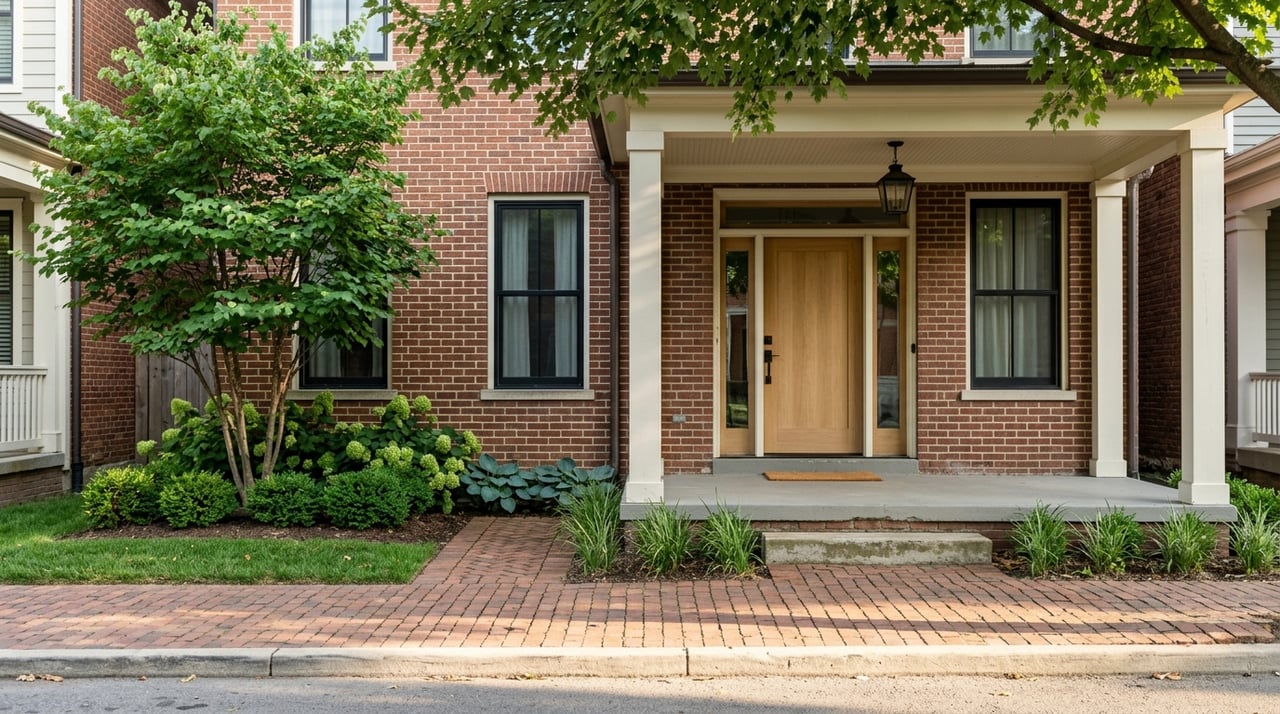
If you are trying to choose between Old Town Zionsville and the east side communities, you are really choosing between two very different daily lifestyles. One side is shaped by brick streets, historic homes, and easy access to Main Street. The other is defined by newer development, planned amenities, and more structured neighborhood layouts. Understanding those differences can help you narrow your search with more confidence. Let’s dive in.
Why These Areas Feel So Different
Old Town Zionsville is closely tied to the historic Village core. The town’s identity centers on its brick-paved Main Street, older architecture, and a downtown setting connected to shops, restaurants, parks, and trail access. Zionsville’s planning efforts also continue to reinforce that village-centered experience.
The east side tells a different story. Zionsville’s draft 2025 comprehensive plan notes that 47% of the town’s housing stock was built after 2000, and most of the town’s growth over the past 20 years has been residential. That helps explain why many east side communities feel newer, more planned, and more amenity-driven.
Old Town Zionsville at a Glance
Old Town is the part of Zionsville many buyers picture first. It is known for historic character, a tighter street grid, and the ability to park once and walk to much of what makes the Village distinctive. For buyers who value a connected, in-town feel, that can be a major draw.
The housing pattern is also unique. The original Village plat dates back to 1851 and 1852, and over time many lots were cut, combined, or reshaped. As a result, homesites in Old Town can feel less uniform than what you would see in newer subdivisions.
What Buyers Often Like About Old Town
Buyers are often drawn to Old Town for a few clear reasons:
- Walkability to Main Street, local shops, dining, parks, and trails
- Historic architecture and established character
- Smaller in-town lots that can mean less exterior upkeep
- No HOA on record in the Original Plat area
A current Old Town example on West Old 106th Street shows a 7,666-square-foot lot and about a 10-minute walk to downtown. That lines up with what many buyers can expect in the Village core, where lots are often compact and closely tied to the downtown experience.
What to Expect With Lots and Layouts
If you are considering Old Town, lot size and shape matter. The Original Plat is estimated at an average lot size of 0.11 acres, and historic records show that many parcels changed over time. That can mean more variety from one home to the next, but also less predictability in yard size, parking arrangements, and setbacks.
For some buyers, that irregularity is part of the appeal. For others, it can feel limiting compared with a newer neighborhood where homesites follow a more standard pattern. The right fit depends on how much you value character versus consistency.
East Side Communities at a Glance
The east side of Zionsville generally offers a more modern neighborhood experience. Instead of centering around one historic downtown street, these communities are often built around clubhouses, trails, pools, preserved green space, and newer home designs. Many also include HOA or club structures that help manage amenities and common areas.
This side of town also reflects where much of Zionsville’s recent growth has happened. Town planning documents and current infrastructure work, including an east side pathway project connecting the Appaloosa Crossings area to Willow Road, support that continued expansion.
What Buyers Often Like About the East Side
East side communities tend to appeal to buyers looking for:
- Newer construction or newer floor plans
- Larger average lot sizes in many single-family neighborhoods
- Planned amenities such as trails, pools, courts, and clubhouses
- More predictable subdivision design and neighborhood layout
- Townhome and mixed-use options in select areas
That combination can be especially attractive if you want a more turnkey neighborhood setting or features that are built into the community itself.
Comparing Key East Side Communities
Several neighborhoods help show how broad the east side housing mix can be.
Austin Oaks and Hampshire
Austin Oaks is located just east of Michigan Road on Willow Road and includes a large clubhouse, indoor and outdoor recreation spaces, and multiple courts and play areas. It is estimated to have 248 homes, an average lot size of 0.59 acres, and an estimated price around $878,000. That is a very different profile from Old Town’s smaller lots and no-HOA setup.
Hampshire offers another amenity-rich option. Its HOA describes more than 250 homes, more than 60 acres of green space, over 3 miles of trails, a pool, courts, and direct trail access to the Zionsville Rail Trail. It is estimated at 256 homes with average lot sizes of 0.62 acres and an estimated price around $733,000.
Holliday Farms and Wild Air
If you are looking at the luxury end of the market, Holliday Farms stands out. It is positioned as a resort-style, golf-cart-friendly community with custom builders, rolling terrain, and club-based amenities including fitness, dining, tennis, pickleball, and a 9-hole executive course. Listing examples show lots around 0.45 to 0.81 acres.
Wild Air offers a different take on newer development. The community includes 30 acres set aside for walking trails and shared open space, plus planned amenities such as a lounge pool, fire pits, bocce, grill stations, and a yoga lawn. It also includes different neighborhood types, from larger lots to smaller homesites.
Appaloosa Crossing and The Towns at Appaloosa
Appaloosa Crossing shows the more mixed-use side of east Zionsville growth. Located at US 421 and 146th Street, it has been planned as a large residential and commercial district. The Towns at Appaloosa includes new two- and three-story townhomes with plans ranging from 1,883 to 2,378 square feet and starting at $353,990.
This makes Appaloosa one of the clearest east side alternatives for buyers who want newer construction at a lower entry point than many detached single-family communities. It also stands apart from Old Town by offering a more newly built, townhome-oriented product.
Old Town vs East Side: The Biggest Differences
When buyers compare these two parts of Zionsville, the tradeoffs usually come down to lifestyle, lot pattern, amenities, and price point.
| Category | Old Town Zionsville | East Side Communities |
|---|---|---|
| Setting | Historic Village core | Newer planned growth areas |
| Feel | Walkable, classic, in-town | Amenity-driven, suburban, newer |
| Lot Pattern | Smaller and often irregular | More standardized and often larger |
| HOA Structure | No HOA on record in Original Plat | Common in many neighborhoods |
| Housing Style | Historic and older homes | Newer homes, custom builds, townhomes |
| Daily Lifestyle | Main Street and trail access | Neighborhood amenities and planned spaces |
This is why the choice is not just about square footage or price. It is about what kind of day-to-day environment feels right for you.
How Pricing Usually Differs
Zionsville as a whole remains a higher-priced market. Recent reports showed a median sale price around $790,000 to $800,000 in early 2026, while Zillow reported an average home value of $680,117. New homes were also listing around a median of about $750,000.
Within that broader market, Old Town and the east side can land at very different price points. The Original Plat is estimated at $475,015, while The Towns at Appaloosa is estimated around $368,000. On the other end, Austin Oaks is estimated at $878,000, Hampshire at $733,000, Stonegate at $1.035 million, and Holliday Farms around $2.153 million.
What That Means for Buyers
If you want an entry point into Zionsville, Old Town and east side townhomes may offer more reachable options depending on the specific property. If you want larger lots, custom construction, or extensive amenities, the east side includes many of the town’s higher-priced choices.
That does not make one area better than the other. It simply means your budget may align more naturally with certain neighborhoods and housing types.
Which Area Fits Your Goals?
Old Town may be the better fit if you want to be close to Main Street, appreciate historic character, and do not mind smaller or less uniform lots. It can be a strong option for buyers who prioritize walkability and a more established setting.
The east side may be the better fit if you want newer construction, community amenities, larger average homesites, or a more structured neighborhood plan. It can also offer a wider range of product types, from luxury custom homes to newer townhomes.
In many cases, the decision comes down to one question: do you want your lifestyle centered on the Village, or centered on the neighborhood itself?
If you are weighing Old Town Zionsville against east side communities, a local strategy matters. The right choice depends on your budget, your timeline, and how you want to live day to day. For personalized guidance on buying or selling in Zionsville, schedule a free consultation with Midtown Home Collective.
FAQs
Is Old Town Zionsville more walkable than east side communities?
- Yes. Old Town is the clearest walkability choice because it is centered around Main Street, the Village, nearby parks, and trail access.
Do east side Zionsville communities usually have HOAs?
- Many do. East side neighborhoods often use HOA, POA, or club-membership structures to manage amenities and shared spaces, while the Original Plat in Old Town has no HOA on record.
Are homes in east Zionsville usually newer than Old Town homes?
- In many cases, yes. The east side includes much of Zionsville’s newer residential growth, including communities such as Wild Air, Holliday Farms, and Appaloosa Crossing.
Are lot sizes smaller in Old Town Zionsville?
- Generally, yes. The Original Plat is estimated at an average of 0.11 acres, while several east side single-family communities have average lot sizes closer to 0.59 to 0.62 acres.
Is Old Town Zionsville or the east side more expensive?
- It depends on the neighborhood and home type. Old Town and east side townhomes can offer lower entry points, while east side luxury and amenity-rich communities often reach much higher price levels.
What is the main difference between Old Town and east side Zionsville living?
- The biggest difference is lifestyle. Old Town is centered on historic character and proximity to Main Street, while east side communities are more focused on newer homes, planned amenities, and structured neighborhood design.