What if your morning coffee, lunchtime errands, and evening plans all lived within a few blocks of home? That is the everyday rhythm in Carmel’s Arts & Design District, where walkable streets, public art, and a tight-knit mix of shops and eateries shape daily life. If you want a neighborhood that blends culture with convenience, this pocket of central Carmel makes it easy to enjoy both. In this guide, you will learn how a typical day flows, what to expect for housing options nearby, and how to weigh the practical tradeoffs. Let’s dive in.
Morning routines made easy
Start your day on foot. The district is designed for short trips between coffee counters, bakeries, and small retailers. Sidewalks, street trees, and benches make quick loops feel natural, and you will often see remote workers, parents with strollers, and retirees enjoying the morning pace. Many spots open early for grab-and-go breakfast, and warm months mean patio seating is common.
If you like to move before work, the area connects to Carmel’s expanding trail network, including the Monon Trail corridor. That link creates a low-stress way to jog, bike, or take a quick ride to neighboring parts of Carmel without getting in the car. You can be back at your desk or next appointment in minutes.
Midday errands and services
Lunch brings a different energy. Professionals and parents fill cafes and quick-service spots, and you can handle light errands between meetings. While the district itself focuses on dining, galleries, and boutiques, essentials like pharmacies, banks, and medical offices are a short drive away. You can pivot from a sandwich to a prescription pickup in one outing.
Family-friendly amenities are nearby as well. Parks, playgrounds, and community spaces sit within a few blocks to a short drive, including larger destinations like Central Park and Coxhall Gardens. Library branches and youth programs across Carmel make it easy to build after-school and weekend routines that fit your schedule.
Walkability, trails, and parking
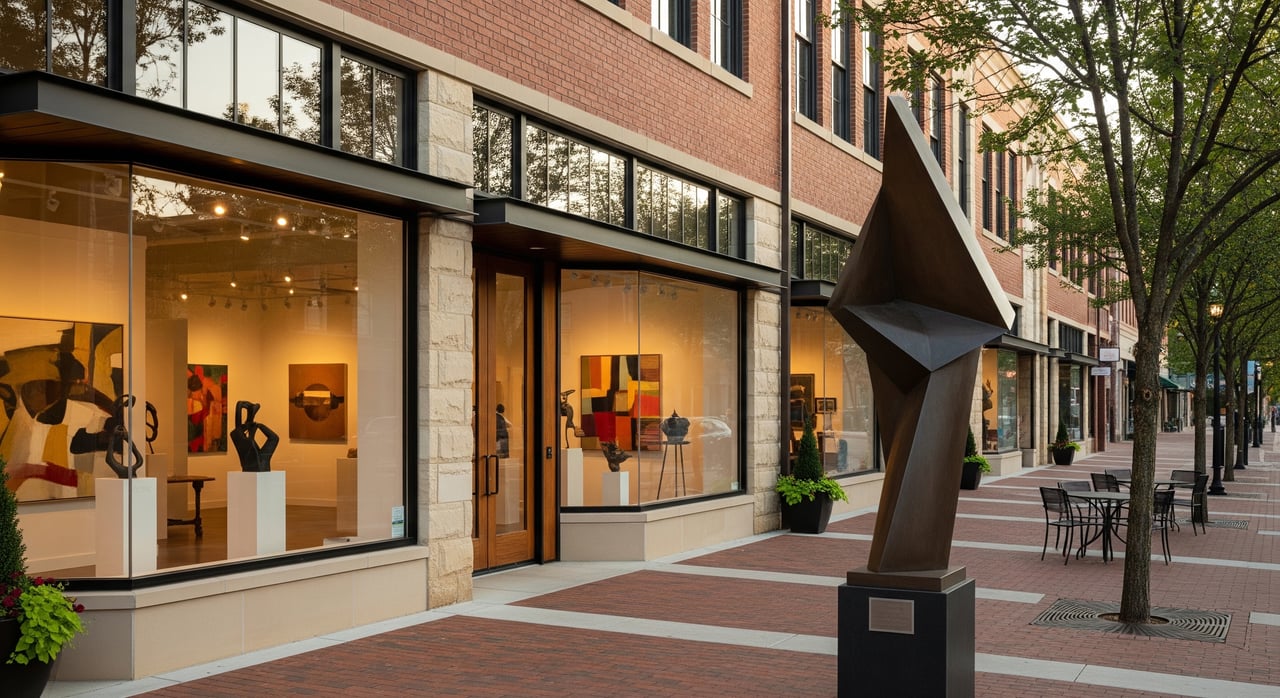
Walkability is the district’s signature. Short blocks, visible crosswalks, and public art invite you to slow down and explore. Bike racks and trail connections support short rides, and many residents choose to walk or bike for daily needs when weather cooperates. The result is a social street life that feels active without feeling rushed.
You will also find a mix of on-street parking and municipal lots or garages around the core. Most days, you can park once and walk. During popular evening events or weekends, curbside spaces fill quickly and some spots may have paid or time-limited rules. Plan to arrive a bit early for dinner reservations or art nights. If you are visiting with kids or carrying purchases, consider a garage so your return trip is simple.
Practical tips:
- For a quieter visit, try weekday mornings or early afternoons.
- On event nights, use a municipal lot so you are not circling for curb space.
- If you bike, bring a small lock and use visible racks near storefronts.
Arts, culture, and events rhythm
The Arts & Design District lives up to its name with galleries, working studios, and rotating exhibitions. Many businesses host evening openings that pair well with dinner plans, and the calendar typically includes recurring gallery walk–style nights and small festivals. Larger city-wide events sometimes overlap with district activity, which brings more energy and foot traffic.
Proximity to Carmel City Center and the Center for the Performing Arts adds another layer. On performance nights, you will see showgoers dining before and after events, which creates a nice buzz without feeling overwhelming most days. If you value having culture close by, this neighborhood keeps it within easy reach.
Evenings and weekends
Evenings lean social. Upscale bistros, wine bars, and chef-driven menus draw date nights and small groups. Sidewalk seating expands during warm months, and the people-watching can be half the fun. Weekend mornings often bring a mix of brunch and nearby farmers market traffic, so you can do a relaxed loop that includes breakfast, errands, and a park stop.
If you prefer a calmer pace, visit earlier in the evening or aim for off-peak days. The district’s compact size means you can move easily between spots for dessert, a nightcap, or a quick browse in a gallery.
Housing near the district
One of the biggest decisions you will make is how close you want to live to the core. Housing options fall into two main buckets: walk-to-it homes in or near the district and single-family neighborhoods a short drive away.
Walk-to-it options
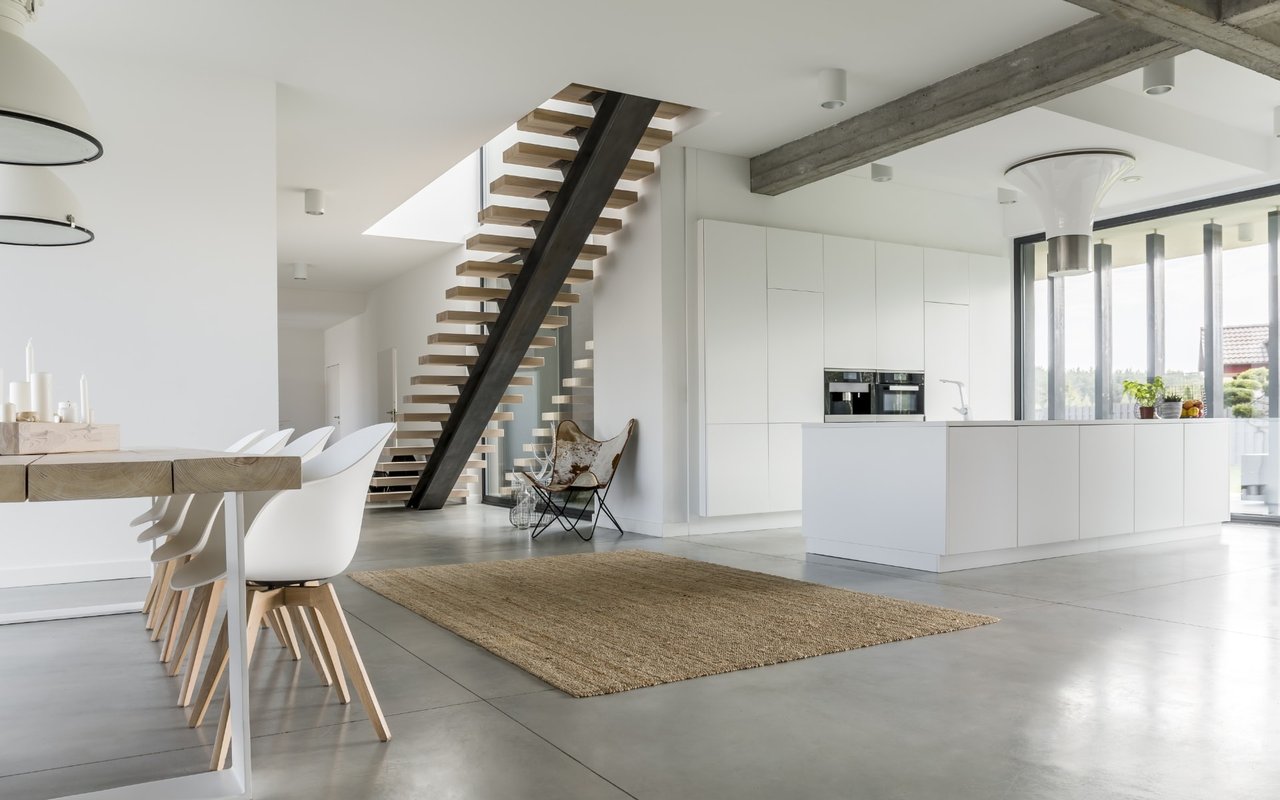
- Condos and townhomes. Low-rise condos and newer townhome communities within walking distance appeal to professionals, downsizers, and anyone who values low maintenance. Expect HOA or condo fees that cover exterior maintenance and shared spaces.
- Live/work and mixed-use. Some buildings pair ground-floor retail with residences above. These offer an immersive neighborhood experience and immediate access to the street scene.
These options usually carry a premium price per square foot because of location and demand. The tradeoff is clear: you gain walkability and lifestyle access in exchange for smaller private outdoor space.
Short-drive neighborhoods
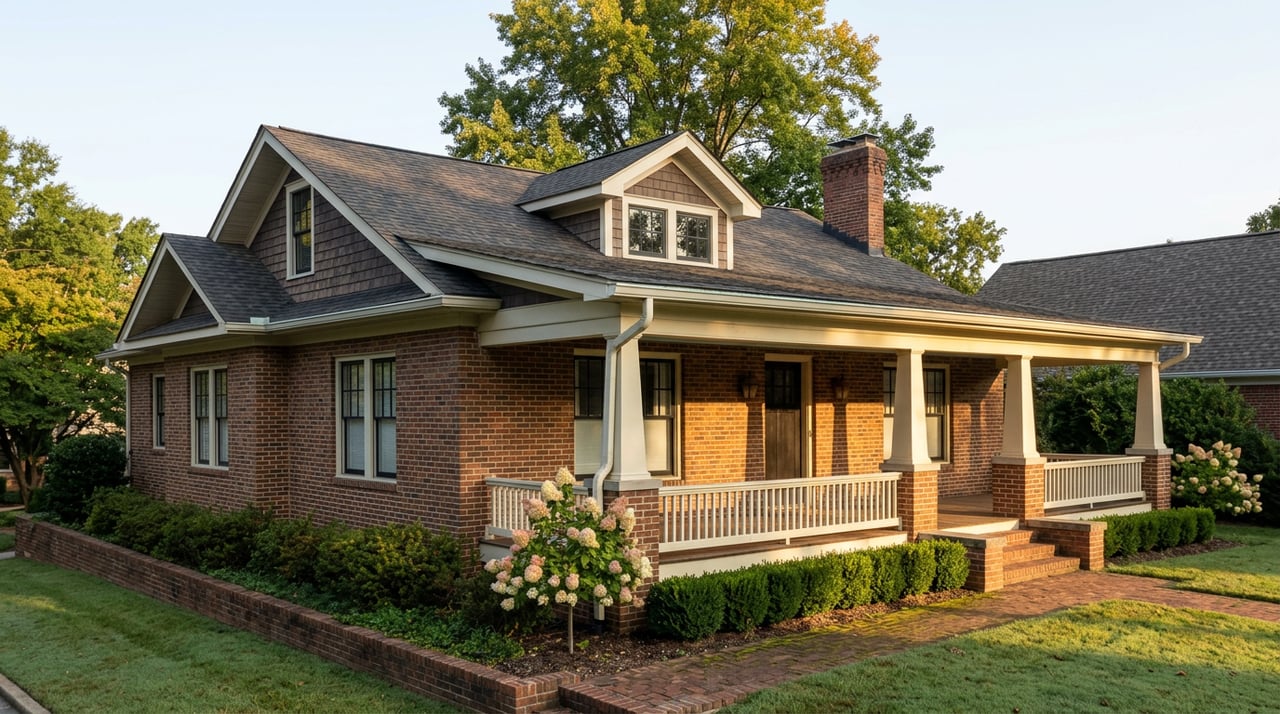
- Established single-family close to the core. Older bungalows and mid-century homes sit within a few minutes of Main Street, often with modest yards and classic layouts.
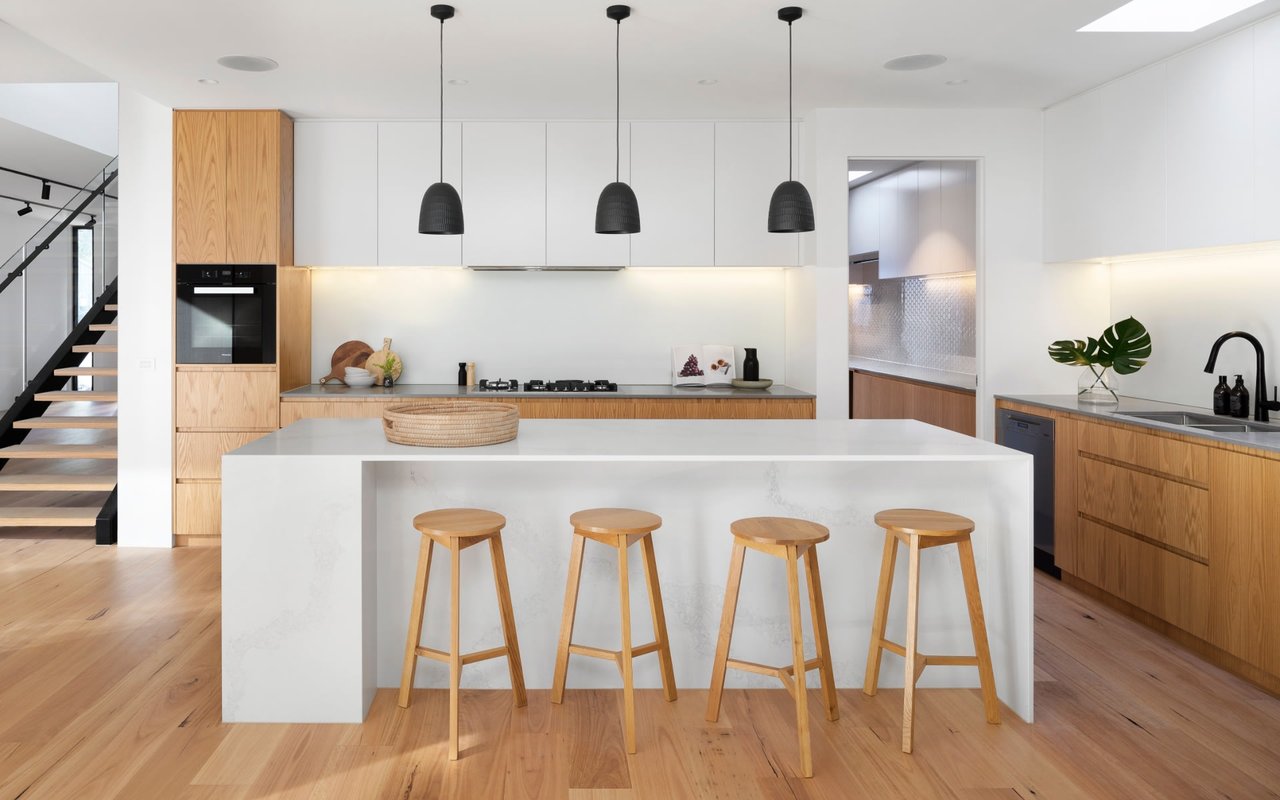
- Larger single-family and new construction. If you want more square footage, bigger yards, or newer builds, you will find them within a short drive across Carmel, including planned communities like those near West Clay.
These options tend to offer more space for the money compared with the walkable core. You give up some daily convenience in exchange for larger private amenities, and you can still be on Main Street in minutes.
New infill and small-scale builds
You may also see small infill projects or mixed-use buildings near the district. These often come at a higher price per square foot due to limited supply and prime location. If you want new without a long commute, these are worth watching.
Commute, schools, and amenities
Driving into Indianapolis is straightforward from Carmel, with typical car commutes to downtown often around 20 to 30 minutes depending on time of day. Local public transit is more limited, so most residents rely on cars for longer trips. For short distances, the district’s sidewalks, bike lanes, and trails make walking and biking realistic options.
Carmel Clay Schools serve most of the area and are widely regarded as high performing. School boundaries can change by neighborhood, even within city limits, so confirm assignments for any specific property you are considering. Families also appreciate the mix of after-school and youth arts programs available throughout Carmel.
Costs and practical tradeoffs
Living in the walkable core usually means a higher cost per square foot, plus HOA or condo fees in many buildings. You will also want to review property taxes through Hamilton County, since tax rates and assessments can adjust annually. These are normal considerations for urban-style living in a suburban city center.
Noise and parking vary by time of day. Weekday mornings feel calm. Evenings and event nights bring more traffic and a lively street scene. As with any downtown area, you may see more active parking enforcement compared with quieter suburbs. Gauge your comfort level by visiting both a weekday afternoon and a weekend evening.
Quick checklist:
- Review HOA or condo fees and what they cover.
- Check Hamilton County tax records for the most recent assessments.
- Visit at different times to sample noise, traffic, and parking.
- Confirm school boundaries for your target address.
Is the district a fit for you?
If your ideal week includes coffee on foot, quick errands without the car, and regular access to art and dining, the Arts & Design District aligns with how you live. You will trade yard size for walkability, but many buyers find the daily convenience and cultural access well worth it. If you want more space without losing proximity, the short-drive neighborhoods around the core give you balance.
When you are ready to explore homes, a local guide helps you weigh these tradeoffs property by property. At Midtown Home Collective, our team pairs hyperlocal insight with a consultative process, so you can compare walkable condos and townhomes with nearby single-family options and choose what fits your life today.
FAQs
How walkable is Carmel’s Arts & Design District?
- The district features short blocks, continuous sidewalks, street trees, and benches, which support quick trips between shops, cafes, and galleries without driving.
What dining and shopping can I expect day to day?
- You will find independent cafes, bakeries, bistros, wine bars, galleries, and boutiques, with more patio seating in warm months and a steady lunch and dinner crowd.
Are there parks and family activities nearby the district?
- Yes, parks and playgrounds sit within a few blocks to a short drive, and larger destinations like Central Park and Coxhall Gardens are close for weekend outings.
What housing types are closest to Main Street?
- Within walking distance you will see low-rise condos, newer townhomes, and some live/work or mixed-use buildings, with more single-family options a short drive away.
How should I plan for parking and traffic during events?
- Arrive a bit early, consider municipal lots or garages over curb spots, and expect more activity during evening events and weekend festivals.