Thinking about selling your Noblesville home in the next 6 to 12 months? You are smart to plan ahead. Today’s market rewards homes that show well and are priced with precision, especially as inventory sits higher than the tightest days of 2020 to 2022. In this guide, you will learn exactly what to fix, how to time your listing, which upgrades matter most, and how to avoid surprises with disclosures and permits. Let’s dive in.
Noblesville market snapshot
Noblesville remains attractive to buyers, but pricing and presentation matter more today than during the pandemic peak. Public trackers often disagree on short-term numbers because they use different data windows, so you should rely on a local CMA prepared by your listing agent to price with confidence. Expect well-prepped, move-in-ready homes to draw solid attention, while overpricing or poor presentation can add weeks to your timeline.
Seasonality still plays a big role. National research shows the strongest buyer activity tends to hit in spring, with mid April through May often the best window, and a secondary bump in late summer before school starts. If your schedule allows, align repairs and staging so you can list in that spring window for maximum exposure, or use late summer as a strong fallback. You can read more about these patterns in this overview of shifting selling seasons from Real Estate News: spring remains the best time to sell.
Legal and safety must-dos
Start with items that can delay or derail a sale if left undone.
- Complete Indiana’s Seller’s Residential Real Estate Sales Disclosure (State Form 46234). Disclose known material defects and keep permits and receipts handy to support your answers. You can review the state form guidance here: Indiana Seller’s Residential Real Estate Sales Disclosure.
- Confirm permits for past or planned work. The City of Noblesville requires permits for many structural and mechanical projects. If you plan upgrades, pull permits early so final inspections are complete before you list. Use the city’s Applications, Forms and Fees portal.
- Screen for radon. Hamilton County sits in an EPA radon zone with elevated potential at the county level. Every house is different, so plan to test and be ready to share results. Learn more about local radon zones from the EPA’s map and guidance.
Essential maintenance and easy cosmetic wins
A clean inspection and neutral presentation go a long way with Noblesville buyers.
- Address major systems first. Fix active roof leaks, water intrusion, outdated or unsafe electrical panels, failing HVAC, or significant plumbing issues. Ordering a seller pre-listing inspection gives you time to tackle these problems on your schedule and reduce renegotiations later. Here is a clear overview of why a pre-listing inspection helps: seller inspection guide.
- Refresh the basics. Neutral paint, deep cleaning, decluttering, carpet or floor cleaning, and updated light bulbs and fixtures create a consistent feel across photos and in person. Minor touchups in kitchens and baths, like caulk, grout and hardware, make spaces feel well cared for.
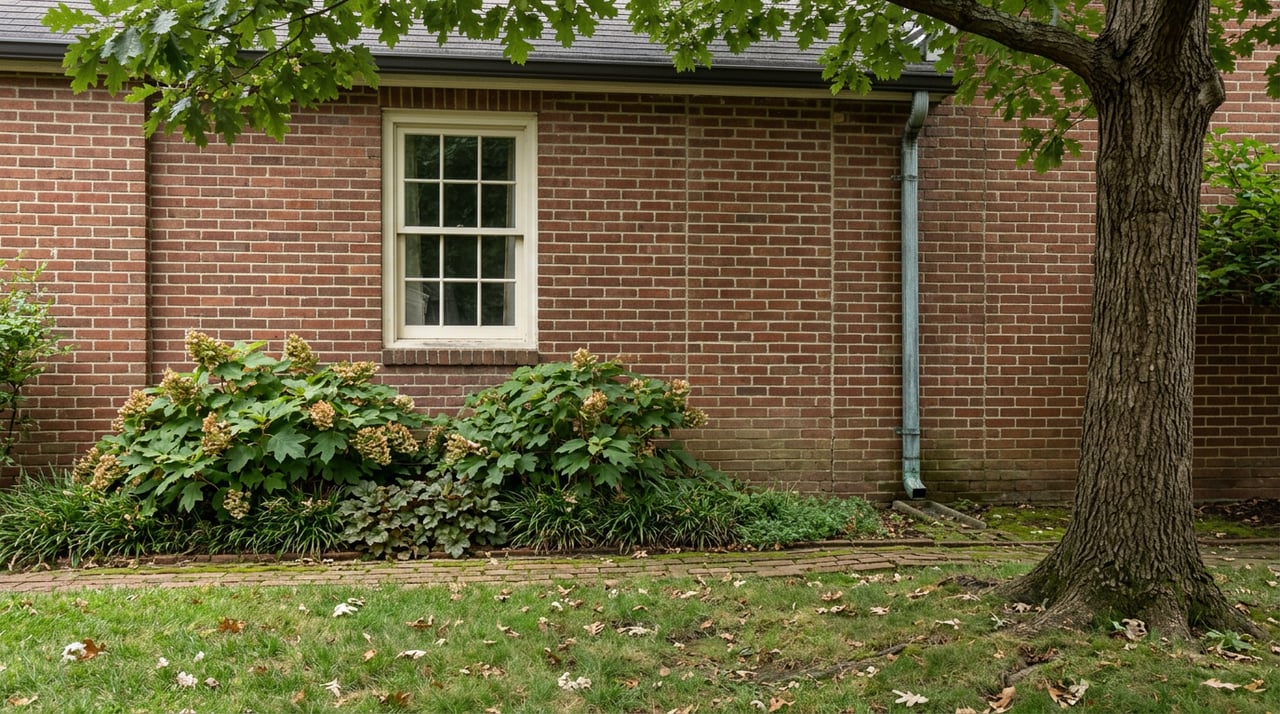
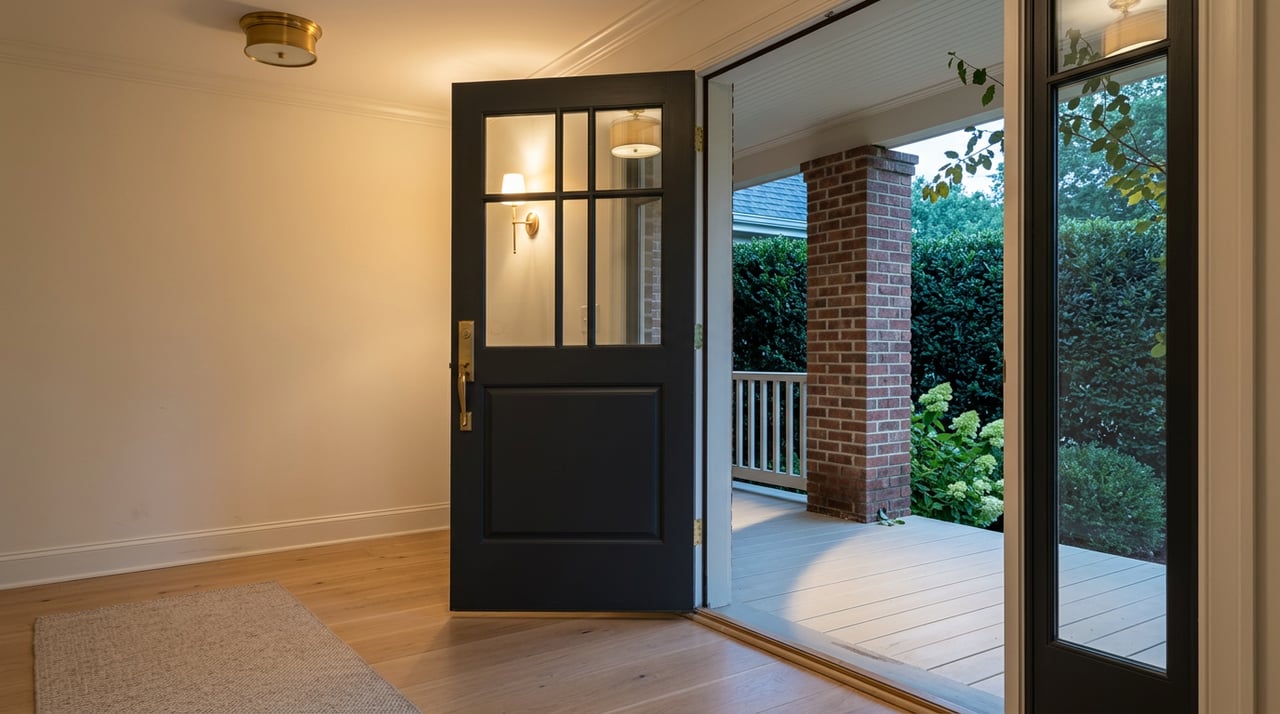
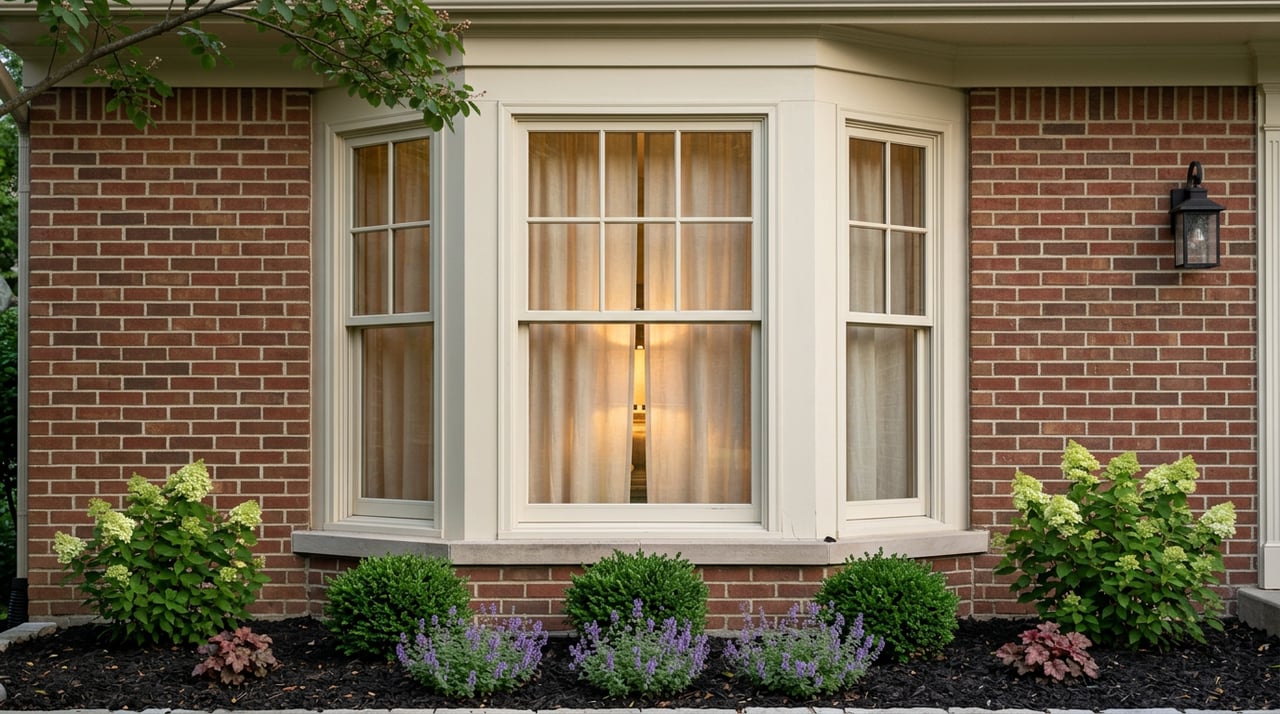
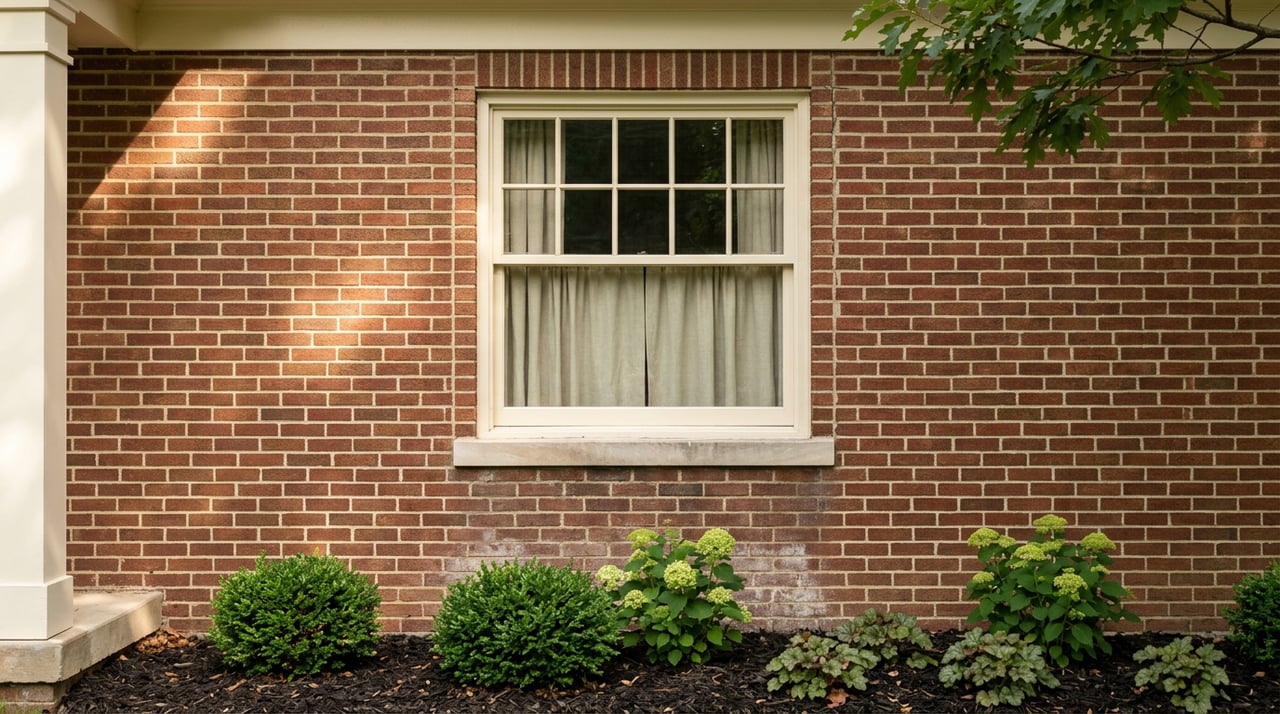
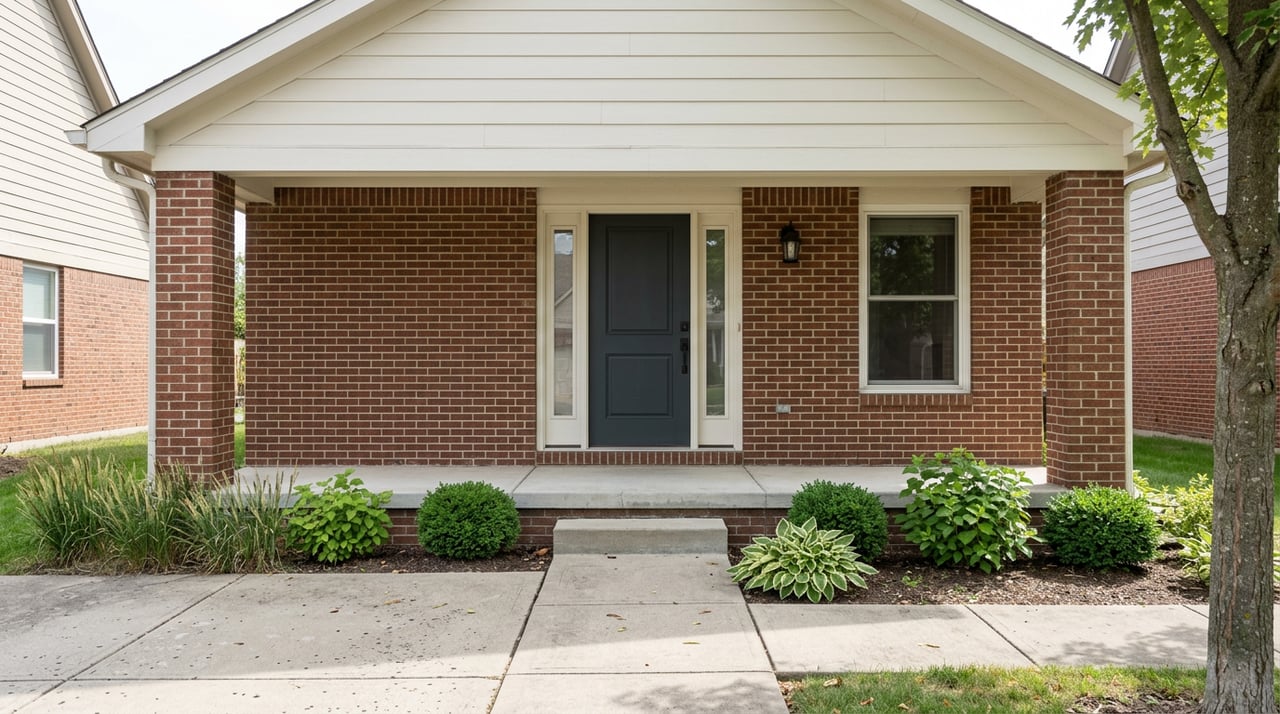
- Boost curb appeal. Prune shrubs, edge beds, add fresh mulch, power wash walkways, and paint the front door if needed. Small outdoor touches set a positive tone before a showing even starts.
Strategic upgrades that pay off
If you have a limited budget, focus on projects that regularly deliver strong resale value.
- Exterior impact. A quality garage door replacement and targeted exterior improvements commonly rank high for return on investment in national research. See the latest findings in the 2025 Cost vs Value report.
- Kitchen and bath refresh. You often do not need a full gut. Painted cabinets, new hardware, updated lighting, and fresh counters or a modern faucet can modernize a kitchen. In baths, consider new vanity tops, mirrors and lighting.
- Primary suite and outdoor living. In mid to upper price points, a calm, updated primary suite photographs well and resonates with buyers. Outdoors, a well-maintained deck or patio and a functional, fenced yard help families picture daily life.
- Stage the right rooms. The National Association of Realtors reports that staging reduces time on market and can lift offers in many cases. Prioritize the living room, kitchen and primary bedroom for the biggest impact. Read more about staging’s effect in NAR’s summary: staging improves price and speed.
Pricing and marketing strategy
Your pricing should be anchored by a local CMA that compares recent closed sales in your subdivision, active competition, price-per-square-foot bands and days on market for true peers. In a market with more choice for buyers, accurate pricing is often more effective than aiming high and chasing the market down.
On marketing, invest where buyers look first:
- Professional photography, including a twilight set if possible
- A detailed floor plan and a 3D tour for relocating buyers
- Focused staging in key rooms
- Clear listing copy that highlights functional family features like storage, flexible rooms, outdoor space and proximity to parks and trails
If you want to create urgency, a modestly aggressive price and a short offer review window can be considered, but only when current supply and demand support it. Your agent should model likely buyer reactions before you choose a tactic.
6 to 12 month timeline and checklist
Use this step-by-step plan to stay on track. Adjust the dates to target a spring list date when possible.
9 to 12 months out
- Set your scope. Decide between a cosmetic refresh and any larger projects. Get bids now for major items and check permit needs using the city portal.
- Confirm your property tax picture. Hamilton County’s cyclical reassessments can affect buyer expectations for carrying costs. Review timing and guidance through the county’s page on Property Reassessment.
- If a big remodel is needed, consider completing it before listing to maximize value.
6 to 9 months out
- Pull needed permits and book contractors. Build in time for inspections and final sign-offs.
- If you plan HVAC, roof or waterproofing work, schedule early so receipts and warranties are ready for your disclosure packet.
3 to 4 months out
- Order a pre-listing inspection and prioritize safety, structure and major systems first.
- Start neutral paint, light fixture swaps and curb appeal updates. Continue decluttering.
- Gather documentation: permits, warranties, appliance manuals and receipts for recent work.
- Prepare a simple one-page list of neighborhood amenities like parks, trails and community events to include in your listing packet.
4 to 6 weeks before listing
- Finish cosmetic projects and book staging. Focus staging on the living room, kitchen and primary bedroom.
- Schedule professional photography and a 3D tour on a bright day; add a separate twilight session if possible.
- Finalize pricing and strategy with your agent, including showing instructions and whether to use a short coming soon period per MLS rules.
1 week to listing day
- Deep clean, store personal photos and extra items, and confirm all lights and systems work.
- Prepare your disclosure packet with the completed state form, invoices and any pre-inspection summary for buyer agents upon request.
Typical prep costs
Actual costs vary by house size and scope, but these ranges help with planning:
- Pre-listing inspection: often a few hundred dollars. See this seller inspection guide.
- Targeted staging: a focused, partial staging plan commonly falls in the low thousands. NAR summarizes typical ranges and impact here: staging improves price and speed.
- Cosmetic refresh: paint, minor floor work and small fixture updates often run a few thousand to low five figures depending on size and scope. Use the 2025 Cost vs Value report to prioritize projects with the best resale efficiency.
Local logistics to get right
- Property taxes and reassessment. Be ready with current tax figures and context on reassessment timing using the county’s Property Reassessment resource.
- Transfer tax. Indiana does not impose a statewide real estate transfer tax, though you should still budget for title, recording and customary closing fees. See state practice details in this Old Republic Title reference.
- HOAs. If your subdivision has an HOA, request covenants, recent meeting minutes and a statement of account early. Some associations need extra time to fulfill document requests.
- Schools. Many buyers look for neutral, factual information about district assignments. If helpful, you can offer a direct link to district and school pages, such as the profile for Noblesville High School. Keep language neutral and encourage buyers to do their own research.
- Radon. Budget for a short-term test and be prepared to share results. If mitigation is needed, having quotes ready can streamline negotiations. Reference the EPA’s county-level guidance.
How Midtown Home Collective helps
Selling well in Noblesville is about smart prep, clear pricing and standout presentation. Our team pairs hyperlocal expertise with premium marketing to help you move from planning to a polished launch. We will:
- Build a data-backed pricing strategy with a detailed CMA and weekly competition checks
- Advise on which repairs and updates will net the best return for your price point
- Coordinate staging, photography, floor plans and a 3D tour so your home shines online
- Help you navigate disclosures, permits and HOA docs to avoid delays
When you are ready to map out your timeline and budget, connect with us. Schedule a free consultation with Midtown Home Collective to get a personalized plan for your Noblesville sale.
FAQs
What should I fix before selling a Noblesville home?
- Address safety and system issues first, like roof leaks, water intrusion, electrical problems, failing HVAC and major plumbing, then update cosmetics such as neutral paint, lighting and basic kitchen or bath touchups.
When is the best time to list a home in Noblesville?
- Spring generally brings the strongest buyer activity, with mid April to May often the best window, and late summer a good second choice according to national seasonality trends.
Do Indiana home sellers have to provide a disclosure form?
- Yes, Indiana requires a Seller’s Residential Real Estate Sales Disclosure for 1 to 4 unit residential properties, and you should complete it fully with supporting permits and receipts.
Do I need to test for radon before selling in Hamilton County?
- Hamilton County is in an EPA zone with elevated potential, so it is wise to test and be ready to share results, since buyers often ask and the state form includes radon questions.
Will staging help my Noblesville home sell faster?
- Industry research from NAR shows staging often reduces days on market and can improve offers, especially when you focus on the living room, kitchen and primary bedroom.
How are transfer taxes handled when selling a home in Indiana?
- Indiana does not charge a statewide real estate transfer tax, but you should still plan for title, recording and customary closing fees; confirm exact numbers with your title company.