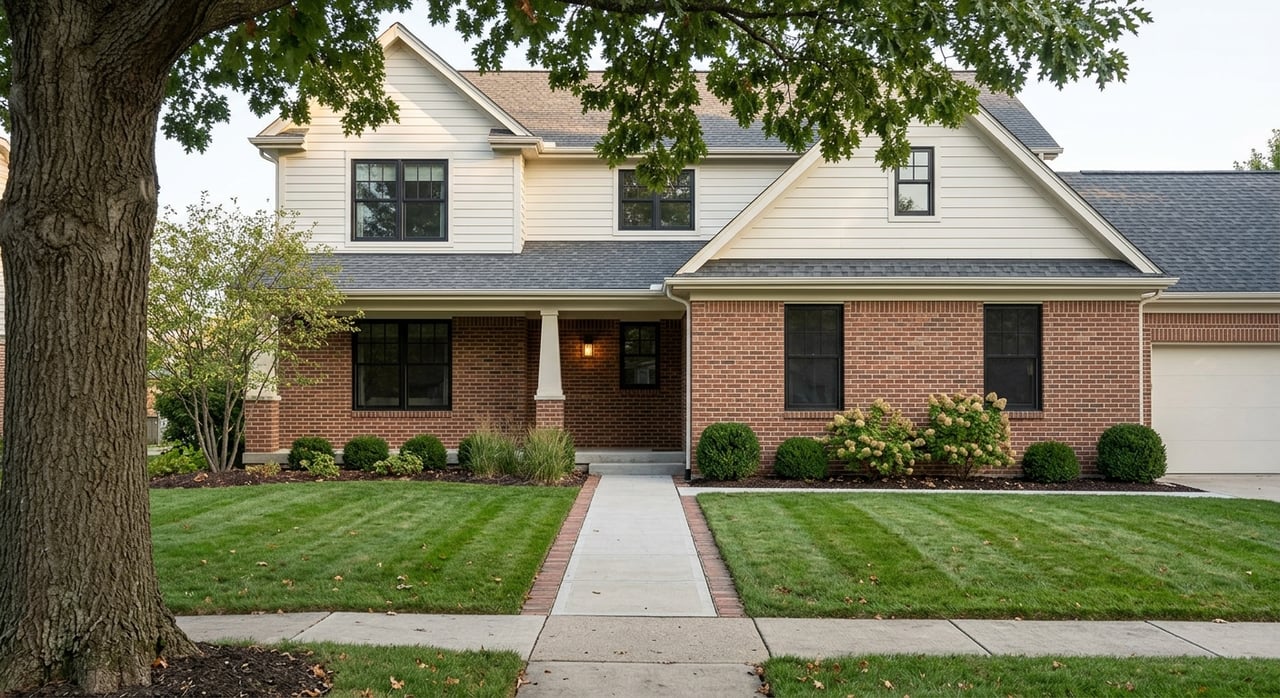
Choosing between a new neighborhood and an established one in Noblesville is not as simple as picking “better” or “worse.” If you are planning a move, you are probably weighing daily lifestyle just as much as square footage, design, and budget. The good news is that Noblesville offers both growing planned communities and long-standing areas with distinct character, so you have real options. This guide will help you compare the trade-offs and narrow in on the right fit for how you want to live. Let’s dive in.
Noblesville Offers Both Growth and Character
Noblesville is still growing. The U.S. Census Bureau estimates the city had 75,239 residents in 2024, which is up 7.7% from 2020. That steady growth helps explain why you can find both newer development on the edges of the city and long-established neighborhoods closer to historic areas and older parks.
City planning documents also show where that growth pressure is concentrated. Future development is especially active along the eastern edge of Noblesville, with additional pressure in the southwest near 146th Street and Hazel Dell Parkway and along the west boundary near SR 32 and SR 38. For you as a buyer, that means neighborhood choice often starts with a simple question: do you want a home in a newer growth corridor or in an area with a longer-established pattern?
What New Neighborhoods Feel Like
Newer neighborhoods in Noblesville often feel more consistent from one street to the next. That is not by accident. The city’s planning framework and Architectural Review Board review items like lot layout, setbacks, building orientation, parking, housing design, and landscaping in new residential planned developments.
For you, that usually translates to a more uniform streetscape. Homes may share similar exterior palettes, front elevations, and neighborhood design features, which can create a polished and predictable overall feel.
Planned Amenities Are a Big Draw
One reason many buyers look at newer communities first is convenience within the neighborhood itself. Current examples in Noblesville include Magnolia Ridge, which offers new single-family homes along with a pool, playground, and trails. Copperleaf at Finch Creek also offers new single-family homes and includes amenities like a pool, playground, pickleball courts, and multi-use trails.
These communities also come with HOA dues. Current builder information lists approximate HOA costs around $83.33 per month in Magnolia Ridge and about $80 per month in Copperleaf at Finch Creek. If you like shared amenities and a more managed neighborhood environment, that may feel worthwhile. If you prefer fewer recurring neighborhood costs, it is something to weigh carefully.
Newer Areas Often Prioritize Convenience
Many of Noblesville’s newer growth areas line up with destinations that make everyday errands and recreation easier. Hamilton Town Center, located at SR 238 and I-69 Exit 210, includes more than 85 shops, restaurants, and entertainment options. Some newer communities also highlight access to places like Finch Creek Park, Ruoff Music Center, and Historic Noblesville Square.
That can be a major plus if you want newer retail patterns, quick access to major corridors, and planned recreation options nearby. In practical terms, your routine may feel a little more plug-and-play in a newer area.
Master-Planned Growth Expands Your Options
Not all new development looks the same. Hyde Park is a 274-acre master plan near Hamilton Town Center that is intended to include residential, retail, restaurant, office, recreational, and trail components, including more than 2 miles of trails. Projects like this show that newer Noblesville neighborhoods can offer more than rows of homes.
If you like the idea of living near a mix of uses and future amenities, these larger planned areas may stand out. They can appeal to buyers who want newer construction while still having access to recreation and everyday destinations in one broader setting.
What Established Neighborhoods Feel Like
Established Noblesville neighborhoods usually offer a different kind of appeal. Instead of master-planned consistency, they tend to stand out for history, architectural variety, and a more layered streetscape. In the city’s older sections, including areas along 8th Street and around Conner and Logan Streets, homes reflect a range of eras and styles.
For many buyers, that means more visual interest from one block to the next. You may see Queen Anne, Italianate, Bungalow/Craftsman, Gothic Revival, and Renaissance Revival influences in designated historic districts that developed roughly between 1860 and 1940.
Variety Is a Defining Feature
If you are drawn to homes that feel less uniform, established neighborhoods may be the better match. Older plats and post-war additions often create more variation in lot shapes, front-yard depth, and home footprints. That can make each street feel a little more distinct.
This does not mean every established neighborhood looks historic in the same way. It means you are more likely to find a wider mix of home styles and streetscape patterns than you would in a newer subdivision with builder-driven standards.
Mature Trees and Landscaping Matter
One of the clearest advantages of established neighborhoods is the outdoor feel. Downtown planning materials point to mature street trees as part of historic district character, and city park spaces like Seminary Park are known for mature trees and open lawns. That kind of tree canopy can shape how a neighborhood feels every day, from shade in summer to a more settled overall look.
Forest Park adds to that appeal. The city describes it as a 150-acre landmark, and it connects to downtown through the White River Greenway. If mature landscaping and long-established green space are high on your wish list, older areas often have a strong edge.
Downtown and Civic Access Can Be a Major Benefit
Established neighborhoods often align with some of Noblesville’s most recognizable civic and recreational spaces. The White River Greenway connects Forest Park and downtown Noblesville and provides access to shopping and dining. Federal Hill Commons sits just across the river from Historic Downtown and is reachable by car, foot, or bike.
Southside Park adds another neighborhood-level benefit. Established in 1952, it now links historic neighborhoods to the city’s expanding trail system. If you picture using downtown spaces, older parks, and connected trails as part of your routine, an established neighborhood may fit your lifestyle well.
Key Differences to Compare
When you tour homes in Noblesville, it helps to compare neighborhoods through a few practical lenses instead of just looking at age.
Architecture and Streetscape
Newer communities often offer a more coordinated look. Established neighborhoods usually offer more architectural variety and less visual uniformity.
If curb appeal to you means consistency, newer may win. If curb appeal to you means character and variety, established may be the better fit.
Lot Feel and Outdoor Space
In newer communities, lot size, setbacks, and open space are part of a planned design approach. That often creates a more consistent look across the neighborhood. In established areas, older plats and later additions can create more variation from one property to another.
That means your outdoor experience may differ in subtle but important ways. Some buyers prefer consistency and easier comparison. Others prefer the individuality that comes with older block patterns and mature landscaping.
HOA Costs and Expectations
Newer Noblesville communities commonly include HOA dues, with current examples around $80 to $83.33 per month. Those dues may support amenities and neighborhood upkeep. They also become part of your monthly housing budget.
In established neighborhoods, rules may depend more on the specific subdivision, historic-district status, or property-specific covenants. The key is to verify the documents for each address rather than assume one standard approach.
Recreation and Everyday Destinations
Noblesville’s parks and trails are a meaningful part of neighborhood life. The city reports more than 876 acres of parkland and about 127 miles of trails and greenways. That is important because access to trails, parks, and community spaces can shape your routine just as much as the home itself.
In newer areas, you may be closer to places like Hamilton Town Center and newer community amenities. In established areas, you may be closer to downtown, Forest Park, Seminary Park, the White River Greenway, and Federal Hill Commons. Neither option is automatically better. It depends on which places you expect to use most.
How to Decide What Fits You Best
The right choice usually comes down to how you want your days to feel. A newer neighborhood may make sense if you want a new floor plan, shared amenities, and a more uniform neighborhood design. An established neighborhood may make sense if you care more about architectural character, mature trees, and access to older parks and downtown spaces.
As you compare options, ask yourself a few simple questions:
- How comfortable am I with monthly HOA costs?
- Do I want a more uniform neighborhood look or more architectural variety?
- Is a newer floor plan more important to me than a mature yard or tree canopy?
- Am I more likely to spend time around Hamilton Town Center or around downtown Noblesville and its older trail network?
Your answers can quickly narrow the field. They also help you focus on neighborhoods that match your lifestyle, not just your home search filters.
The Best Choice Depends on Your Priorities
Noblesville is not a simple new-versus-old market. It is a growing city with active development, established historic districts, major parks, and an expanding trail network. That mix is part of what makes it appealing.
If you are trying to decide between a new neighborhood and an established one in Noblesville, the most helpful approach is to match the neighborhood pattern to your daily life. When you get clear on what matters most to you, the right area usually becomes much easier to spot. If you want help comparing specific Noblesville neighborhoods or homes, Midtown Home Collective is here to help you make a confident move.
FAQs
What is the main difference between new and established neighborhoods in Noblesville?
- Newer neighborhoods in Noblesville often have more uniform design, planned amenities, and HOA dues, while established neighborhoods usually offer more architectural variety, mature trees, and closer access to older parks and downtown spaces.
What are typical HOA costs in newer Noblesville neighborhoods?
- Current examples in Noblesville show approximate HOA dues around $80 per month in Copperleaf at Finch Creek and about $83.33 per month in Magnolia Ridge.
Where is Noblesville growing the most?
- City planning documents show future growth pressure along the eastern edge of Noblesville, in the southwest near 146th Street and Hazel Dell Parkway, and along the west boundary near SR 32 and SR 38.
What amenities do newer Noblesville communities often include?
- Newer communities may include features like pools, playgrounds, trails, and courts, with current examples in Noblesville offering amenities such as pickleball courts and multi-use trails.
Why do established Noblesville neighborhoods feel different?
- Established neighborhoods often reflect older development patterns, historic home styles, varied lot layouts, and mature landscaping, which can create a less uniform and more layered streetscape.
How important are parks and trails when choosing a Noblesville neighborhood?
- Parks and trails are a meaningful part of daily life in Noblesville because the city reports more than 876 acres of parkland and about 127 miles of trails and greenways.